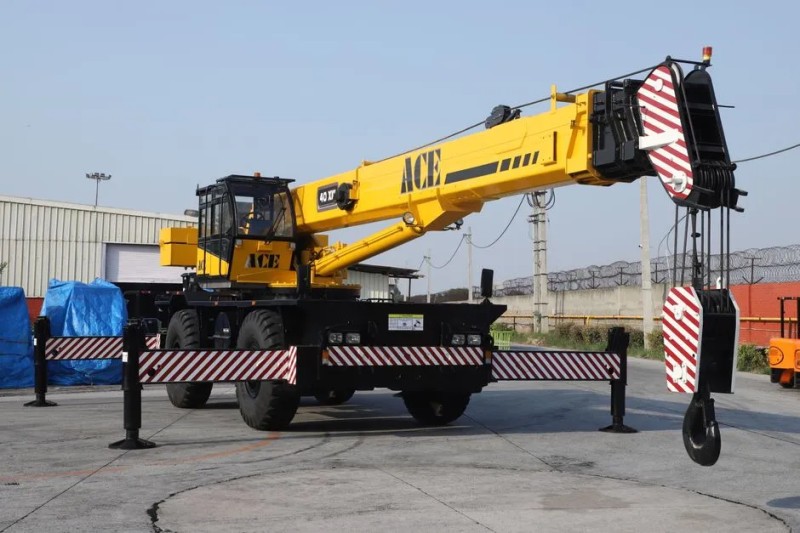
Sany Group releases new trends in intelligent and electrification of construction machinery, accelerating green transformation of the industry
In October 2026, the construction machinery industry is at a critical juncture in the dual transformation of intelligence and green. As a leading domestic construction machinery company, Sany Group recently released an industry trend through the official news page, focusing on the company's latest progress in intelligent manufacturing, motorized products and overseas markets. After the release of this news, it triggered further attention from the industry to the technical route and competitive landscape of construction machinery.
Intelligent manufacturing: Lighthouse factory experience continues to spill over
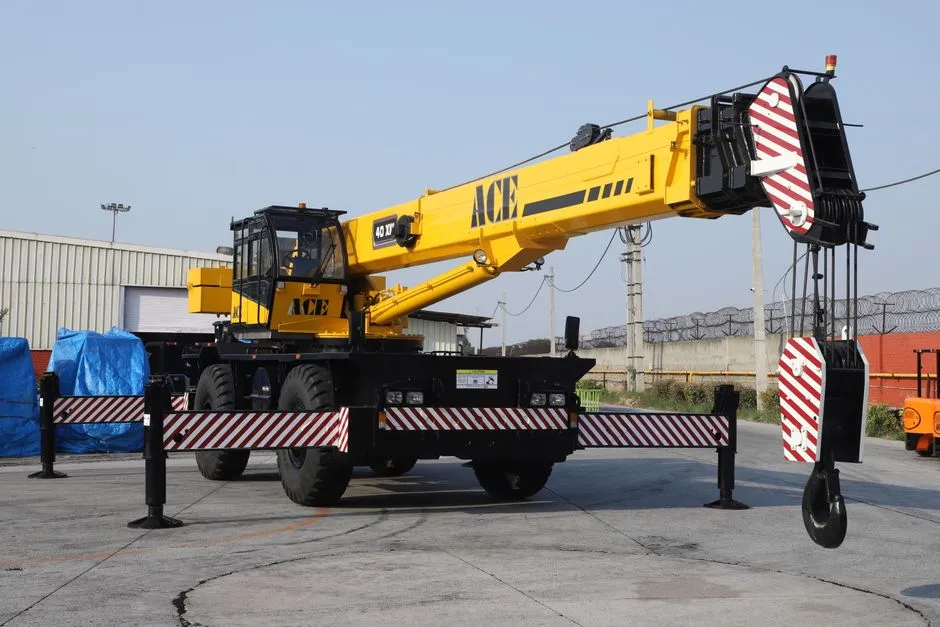
Sany Group has invested significantly in the field of intelligent manufacturing in recent years, and multiple of its production bases have been included in the global Lighthouse factory network. The official website dynamically shows that the company continues to optimize around digital workshops, industrial Internet platforms and flexible production lines. The core progress is to use big data and artificial intelligence to improve equipment utilization and reduce production energy consumption. The impact of this direction on the industry is to promote the transformation of construction machinery from traditional discrete manufacturing to data-driven lean production, and also provide a reusable technical framework for supply chain collaboration.
In terms of possible trends, with the further implementation of 5G and industrial AI, construction machinery manufacturers are expected to form new efficiency advantages in predictive maintenance, unmanned job scheduling and other aspects.
Electrified product matrix: from pilot to large-scale application
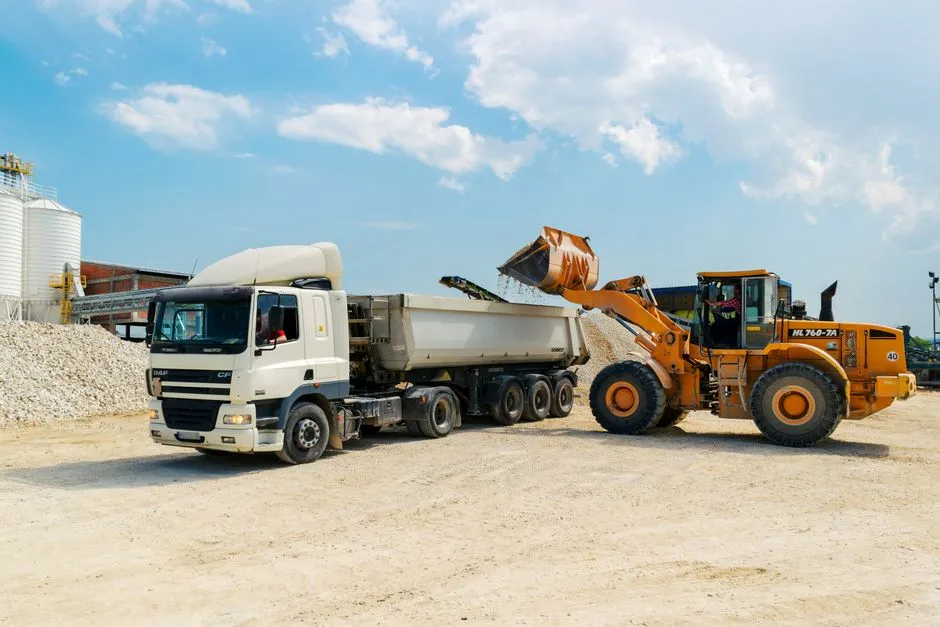
Driven by the dual carbon goal, electrification of construction machinery has become a hot spot in the industry. Sany Group continues to deploy electric excavators, electric mixers, electric loaders and other categories. According to the official website news page, companies are accelerating the promotion and application of electric products in ports, mines, urban construction and other scenarios. The industry impact is reflected in the fact that electrification not only reduces usage costs and carbon emissions, but also improves control accuracy due to motor response characteristics, creating conditions for intelligent function integration.
It is worth noting that electric construction machinery still faces challenges such as initial acquisition costs, charging infrastructure and battery life.In the future, the focus of competition will shift from purely product parameters to full life cycle service capabilities and energy replenishment ecological construction.
International layout: Deep exploration in emerging markets and localized operations
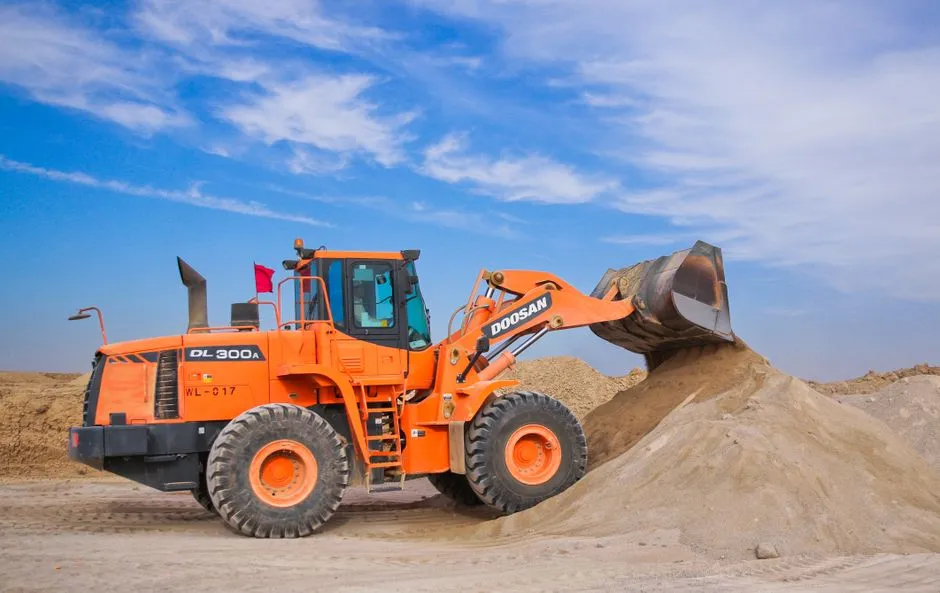
Sany Group's globalization strategy continues to advance. The official website shows that companies are strengthening localized R & D, manufacturing and service networks around Southeast Asia, the Middle East, Africa, Latin America and other regions. The core progress is to shorten delivery cycles by localizing teams close to customer needs. For the industry, China's construction machinery brands are transforming from product exports to comprehensive export of technology, services, and brands, which will help increase global market share and risk resistance capabilities.
On the trend, as overseas infrastructure investment picks up, China construction machinery companies are expected to achieve greater breakthroughs in the high-end market, but they also need to deal with trade barriers and localization compliance challenges.
Industry impact and outlook
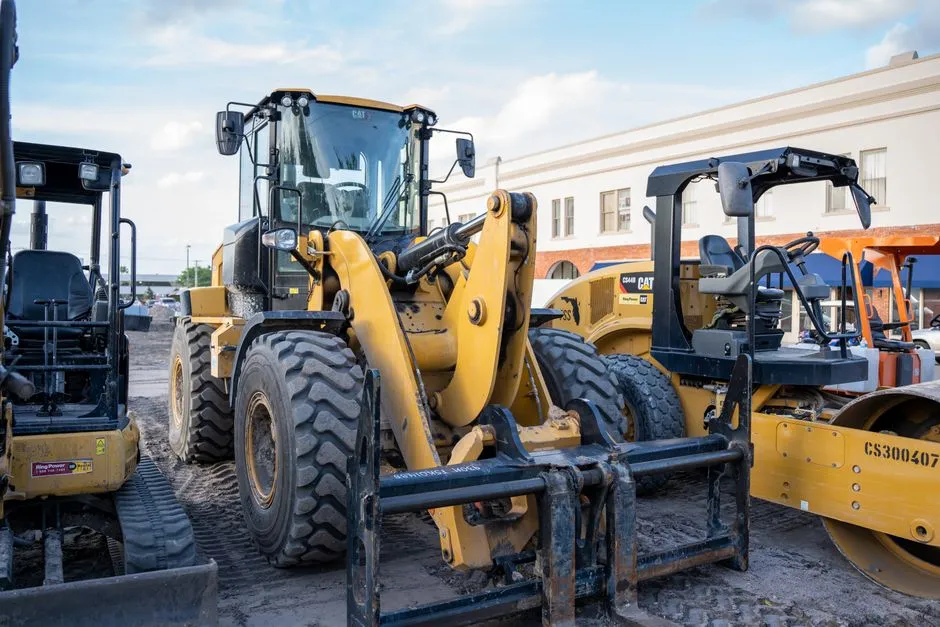
Overall, the updates of Sany Group's official website reflect the three main lines of the construction machinery industry: intelligent manufacturing improves production efficiency, electrification responds to green requirements, and internationalization opens up space for growth. These changes will promote coordinated upgrades upstream and downstream of the industrial chain, including core components, software systems and after-market services.
The intelligent penetration rate of construction machinery industry continues to improve, and the lighthouse factory experience accelerates replication.
Electrified products have moved from pilot projects to large-scale applications in multiple scenarios, and energy replenishment ecology has become a key variable.
Global competition has entered a stage of deep localization, with equal emphasis on brand and technology output.
For readers who are concerned about the integration of technology and manufacturing, Sany Group's latest actions provide a typical sample of observing the digital transformation of traditional manufacturing companies. In the future, we can focus on the actual delivery of its products, overseas orders and the implementation of intelligent solutions.