2026 Speed up of intelligent construction machinery: Sany Group's multi-line layout is electrified and unmanned
The construction machinery industry enters a critical period of intelligence and greening
In 2026, driven by emission reduction policies, labor structure changes and digital technology, the global construction machinery industry will significantly accelerate its intelligent and motorized transformation. Leading domestic companies represented by Sany Group are accelerating the layout of electric products, smart factories and unmanned construction scenarios.The focus of industry competition is shifting from traditional cost performance to full life cycle efficiency and low-carbon operating capabilities.
Intelligent manufacturing and Lighthouse Factory continue to upgrade
The "Lighthouse Factory" built by Sany Group in Changsha, Beijing and other places has formed large-scale flexible production capabilities. Through technologies such as industrial robots, 5G private networks and AI quality inspection, it has realized mixed-line production of core products such as excavators and pump trucks. Lighthouse Factory has also introduced digital twins and virtual debugging methods to reduce production line downtime and significantly shorten the introduction cycle of new models.The direct effect of intelligent manufacturing is shortening delivery cycles and improving product consistency, while reducing the constraints on production capacity caused by the shortage of high-skilled welders.
The motorized product matrix covers major construction scenarios
In terms of electrification, Sany has launched a variety of products such as electric excavators, electric loaders, electric mixers and electric mining trucks, covering urban construction, blind contracts and ports. Compared with fuel equipment, electric products have advantages in energy consumption costs and noise control, but initial acquisition costs and charging and replacing facilities are still the key to promotion. The industry expects that as battery costs fall and operational data accumulates, the penetration rate of electric construction machinery in fixed-line scenarios such as municipal governments and ports will gradually increase.
Driverless driving and remote control expand applications in dangerous scenarios
For high-risk environments such as mines and tunnels, Sany Group promotes the implementation of driverless mining trucks, remote-controlled excavators and intelligent dispatch systems. Through multi-sensor fusion, V2X communication and cloud scheduling platforms, devices can achieve continuous operations while reducing on-site personnel. The remote control operator can manage multiple devices simultaneously in the safety cabin, further improving the operation safety indicators.This direction not only improves safety levels, but also lays a technical foundation for future large-scale unmanned construction.
Industrial Internet platform precipitation operation data
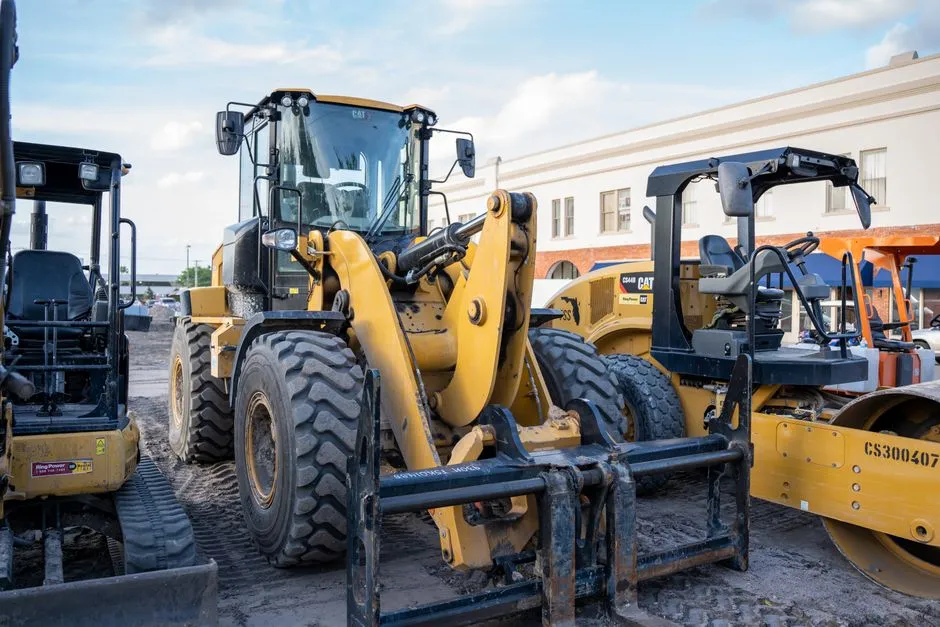
Sany's industrial Internet platform provides fault warning, energy consumption analysis and predictive maintenance services by connecting equipment operating data. The accumulated equipment operating rate, fuel consumption/power consumption and fault code data on the platform improves the response speed of post-market services and also provides data support for second-hand equipment valuation and financial leasing risk control. The increase in device networking rates is pushing companies to extend from simply selling products to a "product + service" model.
Industry impact and trend judgment
Sany Group's multi-line layout reflects the common path of construction machinery leading companies:Use intelligent manufacturing to ensure quality and efficiency, use electrification to respond to low-carbon requirements, and use unmanned to solve safety and human pain points.For the industrial chain, upstream battery, sensor and controller suppliers will benefit; for users, equipment life cycle costs and operating models need to be re-evaluated. In the next two years, industry technology verification will accelerate, and the scale of commercialization will depend on the improvement of charging and replacing networks and unmanned operation regulations.
The penetration rate of electrified products in municipal and port scenarios is expected to continue to increase.
Intelligent manufacturing capabilities will become a key barrier for leading companies to maintain delivery advantages.
Driverless driving and remote control have clear cost reduction and efficiency improvement value in mining scenarios.