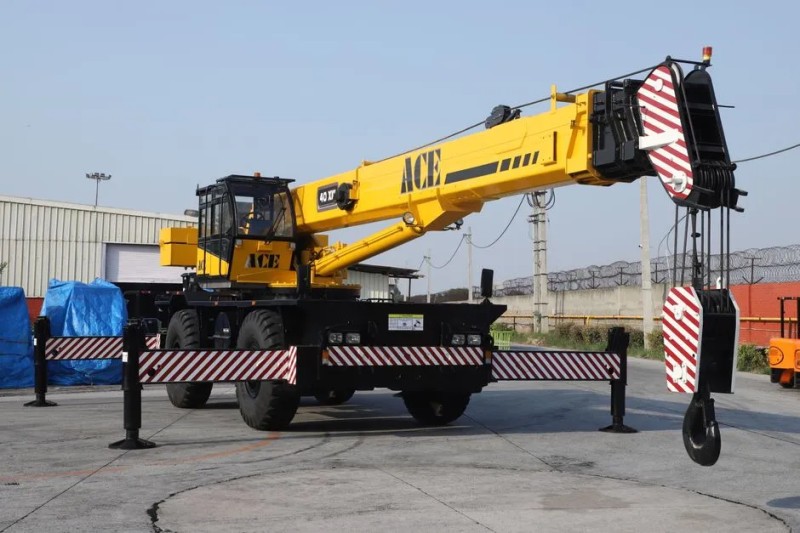
Sany Group deepens intelligent and electric layout, and the construction machinery industry welcomes green changes
Driven by the dual drive of global infrastructure demand and green and low-carbon transformation, the construction machinery industry is undergoing a new round of technological iteration. Leading companies represented by Sany Group have continued to increase investment in research and development in the fields of intelligence and electrification in recent years, promoting the upgrading of traditional construction equipment in the direction of efficiency, cleanliness and unmanned. Industry observations show that intelligent construction solutions and new energy products are moving from pilot to large-scale application, becoming a new highland for corporate competition.
Intelligent construction has moved from single breakthrough to systematic implementation
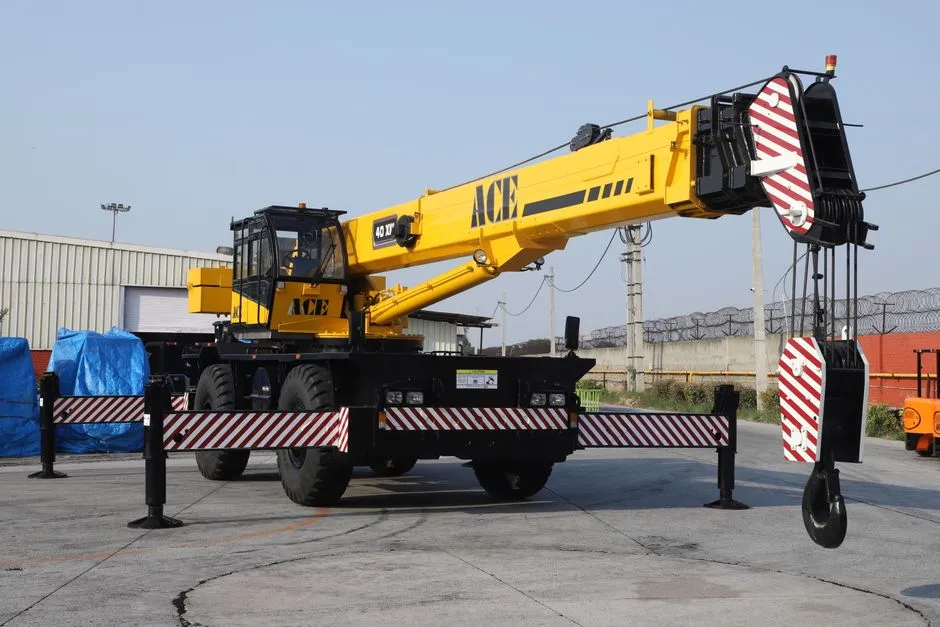
Sany Group has made frequent actions in the field of intelligent construction machinery in recent years, and its Lighthouse factory in Changsha has become a benchmark for intelligent manufacturing in the industry. Public information shows that the factory has achieved highly automated production of core products such as excavators by introducing flexible production lines, industrial robots and digital twin technology. At the same time, companies continue to iterate on driverless driving and remote control, and related technologies have been verified in closed scenarios such as mines and ports. These developments not only improve equipment operation efficiency and safety, but also reduce labor dependence and operating costs for construction parties.
At the industry impact level, the maturity of intelligent construction solutions is changing the traditional project contracting model. Functions such as real-time transmission of equipment data, fault pre-diagnosis and construction path optimization enable project management to shift from experience-driven to data-driven. For small and medium-sized construction companies, the smart equipment and platform services provided by leading manufacturers are expected to lower their technology application thresholds and promote the overall efficiency of the industry.
Expansion of electrification product matrix accelerates green substitution
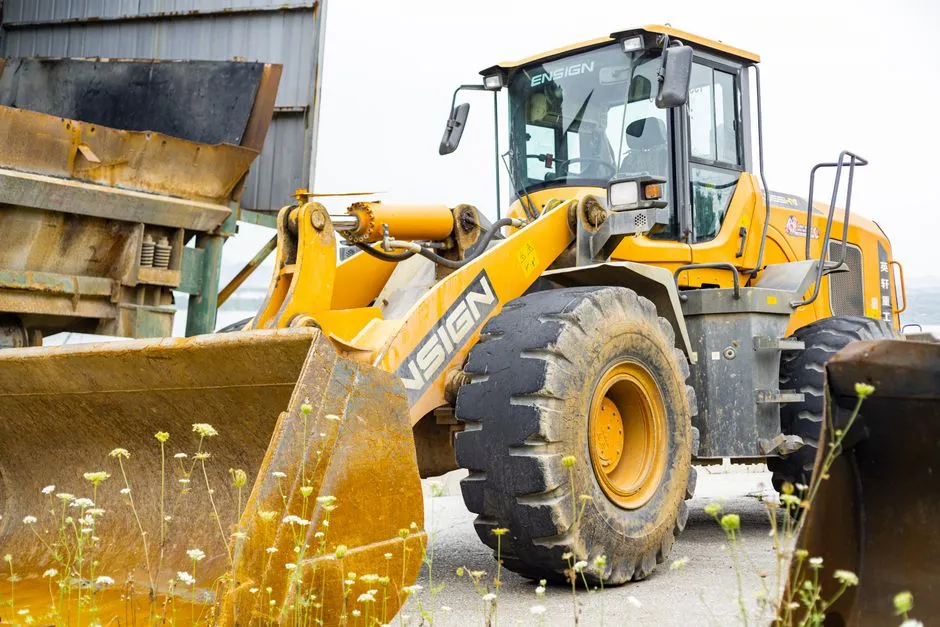
Driven by the "double carbon" goal, the electrification of construction machinery has become a definite trend. Sany Group has launched electrified products covering multiple categories such as excavators, mixers, and dump trucks, and has achieved batch delivery in some urban muck transportation, port logistics and other scenarios. Compared with traditional fuel equipment, electric products have obvious advantages in terms of operating costs, noise control and zero emissions, and are especially suitable for urban construction sites and closed parks with high environmental requirements.
It is worth noting that the electrification process still faces challenges such as battery life, charging infrastructure and initial acquisition costs. Sany Group attempts to lower the user's use threshold through business model innovations such as power replacement models and battery leasing. With the decline in battery costs and breakthroughs in fast charging technology, the industry generally expects that the penetration rate of electric construction machinery will increase significantly in the next five years, and drive the coordinated development of the upstream battery, motor and electronic control industry chain.
Internationalization layout deepens emerging markets become growth engines
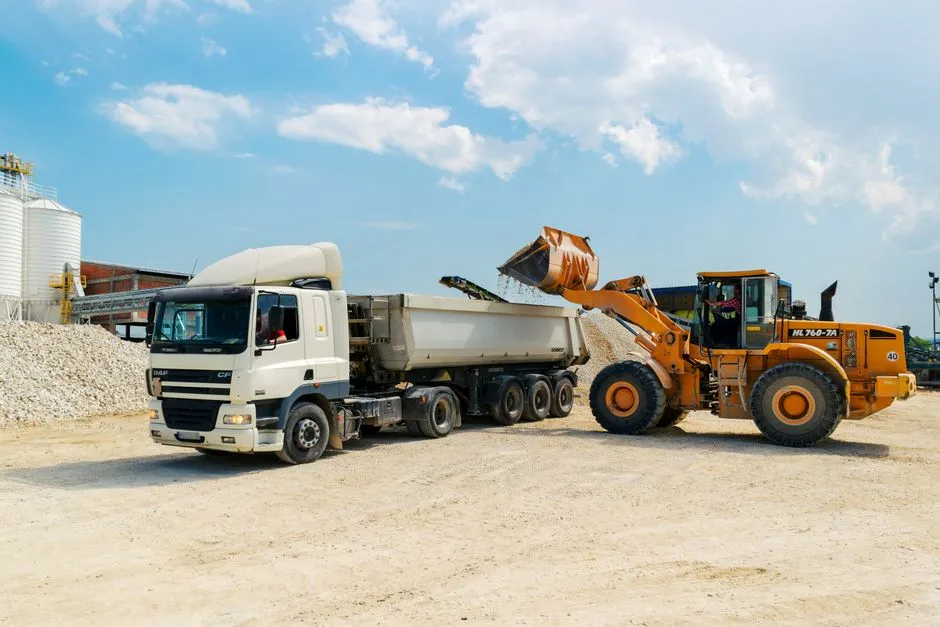
Faced with cyclical fluctuations in the domestic construction machinery market, Sany Group continues to increase its overseas markets. Public reports show that its products have entered Southeast Asia, Africa, Latin America, the Middle East and other regions, and have improved response speed and brand influence through localized manufacturing and service network construction. Among infrastructure projects in countries along the Belt and Road Initiative, Sany Equipment has a high degree of participation, especially in the fields of large-scale mining equipment and concrete machinery.
The internationalization process is not simply a product export, but a systematic export covering R & D, manufacturing, services and financial support. With the restructuring of the global supply chain, China construction machinery companies are gradually expanding their share in the high-end market in Europe and the United States by virtue of their high cost performance and rapid delivery capabilities. However, trade barriers, geopolitical risks and localization of after-sales services remain challenges that need to be addressed continuously.
Industry trends and impact outlook
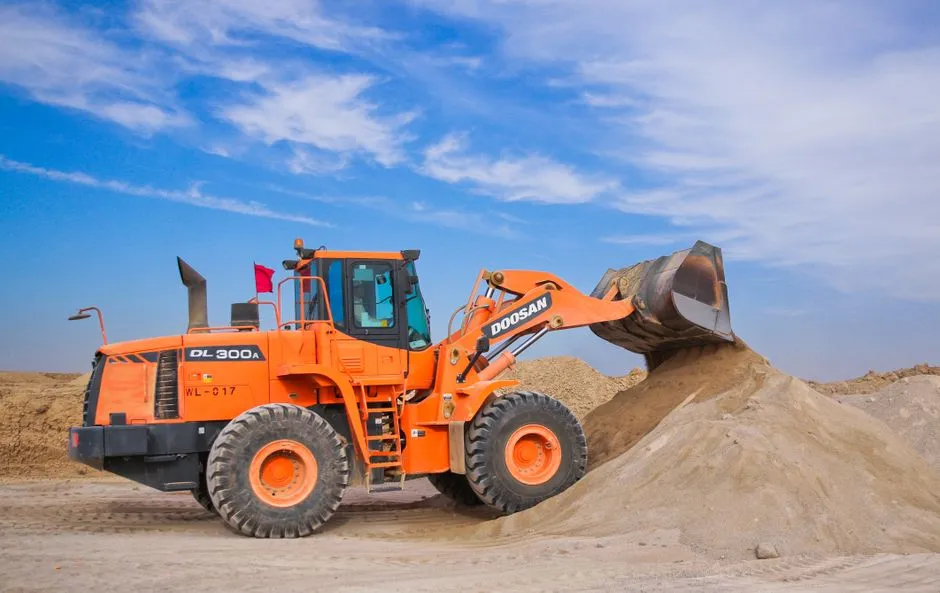
Overall, the focus of competition in the construction machinery industry has shifted from single product performance to comprehensive capabilities of "smart + green + service". As a leading company, Sany Group's technical route and business practices are of vane significance to the industry. The following points deserve attention:
Intelligence and unmanned operations will extend from closed scenarios to semi-open scenarios, and data security and system reliability will become the key.
Electrified products will develop in parallel with technical routes such as hydrogen fuel and hybrid power, and the construction of energy replenishment networks will determine the promotion speed.
Localized operation capabilities in overseas markets will become an important support for the company's second growth curve.
Collaborative innovation upstream and downstream of the industrial chain is accelerating, and there is an urgent need for independent and controllable core components.
In the future, with the further integration of artificial intelligence, 5G and new energy technologies, construction machinery is expected to fully transform from "manufacturing" to "intelligent manufacturing + service". Whether Sany Group can maintain a leading position in technology iteration and business model innovation will profoundly affect the position of China's high-end equipment manufacturing in the global industrial landscape.