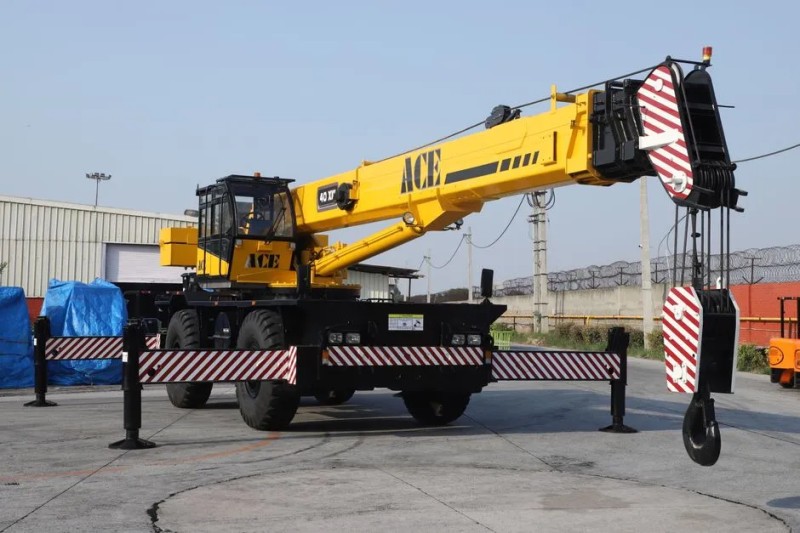
Observation on Sany Group's transformation path in 2026 through electrification and intelligence of construction machinery
In 2026, the global construction machinery industry is undergoing in-depth adjustment and structural upgrading. Driven by the "double carbon" goal, digital transformation and changes in overseas market demand, China's leading construction machinery companies have increased their investment in electrification, intelligence, and internationalization. As a leading enterprise in the industry, Sany Group's technical route and industrial layout have always been regarded as an important window for observing the industry's wind direction. Combined with Sany Group's official website and public information, its recent progress in intelligent manufacturing, new energy equipment and industrial Internet reflects the focus of a new round of competition in the construction machinery industry.
Intelligent manufacturing: Lighthouse factory continues to expand, and production efficiency has been significantly improved
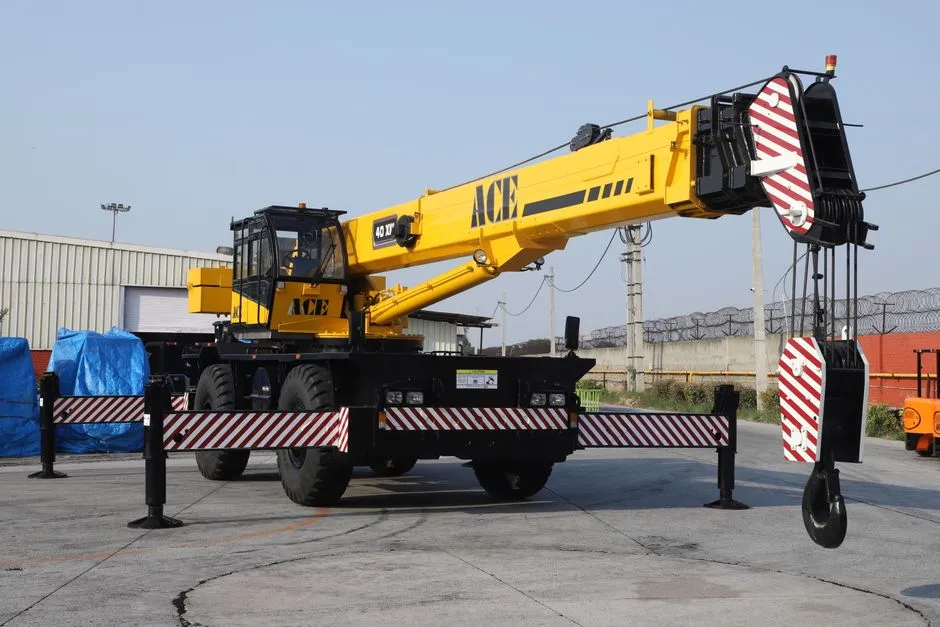
In recent years, Sany Group has continued to promote the construction of the "Lighthouse Factory", deeply integrating automated production lines, industrial robots and digital management systems. Public information shows that Sany has built several lighthouse factories in Beijing, Changsha, Kunshan, Shenyang and other places, covering core product lines such as excavators, concrete machinery, and lifting machinery. Entering 2026, its smart factory will further upgrade to flexible manufacturing and order-driven models, and some production lines can achieve multi-variety and small-batch mixed-line production. Industry analysis believes that Lighthouse Factory not only reduces unit manufacturing costs, but also optimizes supply chain response speed through data closed-loop, providing a reusable model for the construction machinery industry to transform from "scale manufacturing" to "lean and intelligent manufacturing".
Digital management platform empowers the entire process
On the basis of intelligent manufacturing, Sany relies on industrial Internet platforms such as Shugen Internet to open up data across the entire chain of R & D, production, sales, and service. Remote equipment operation and maintenance, predictive maintenance and customer value-added services have become new profit growth points. This "product + data + service" model is promoting the transformation of construction machinery companies from single equipment sellers to comprehensive solution providers, and has also intensified the industry's competition in software capabilities and data assets.
The electrification product matrix is accelerating, and green construction is moving from pilot to large-scale
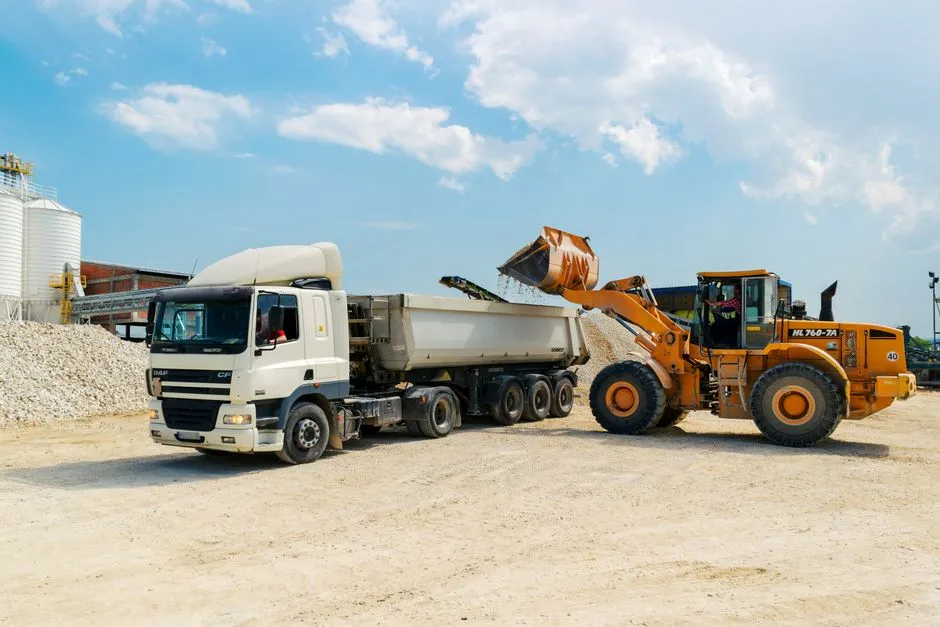
Electrification is one of the most determined technical lines in the construction machinery industry in 2026. Sany Group has launched electric products covering multiple categories such as excavators, mixers, dump trucks, mining trucks, and loaders. Some products are delivered in batches in closed or high-frequency scenarios such as ports, blind contracts, and urban construction. Different from the early "conversion of oil to electricity", the new generation of electric construction machinery generally adopts a forward-developed electric dedicated platform to carry out system optimization in terms of battery layout, thermal management, motor control, etc. Public test data shows that electric excavators and electric mixers have certain economic efficiency in terms of comprehensive use costs, especially in scenarios with low electricity prices and stable operation intensity.
However, the industry still needs to face challenges such as insufficient charging infrastructure, battery life and residual value management, and low-temperature environment adaptability. Leading companies such as Sany are cooperating with energy companies and power exchange operators to explore models such as "separation of vehicle and electricity" and mobile energy replenishment to lower the initial purchase threshold for users. Judging from market feedback, as policy subsidies recede but carbon constraints strengthen, electrification of construction machinery is shifting from policy-driven to market and cost-driven.
With the deepening of globalization, overseas markets have become the key pole for growth
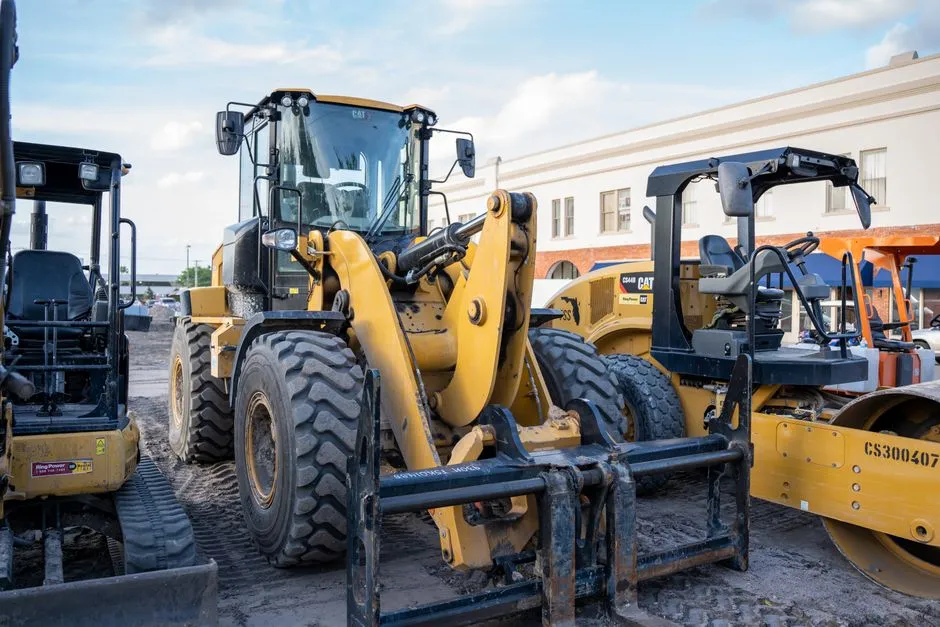
Faced with fluctuations in domestic market demand, Sany Group has continued to increase overseas markets in recent years. Through self-built factories, regional spare parts centers and localized R & D teams, its brand recognition and channel coverage in emerging markets such as Southeast Asia, the Middle East, Africa, and Latin America have steadily increased. In 2026, with the advancement of infrastructure projects along the Belt and Road Initiative and the growing demand for electrification and low-emission equipment in European and American markets, Sany's share of overseas revenue is expected to further expand. Industry observers pointed out that the globalization of China's construction machinery companies has moved from "product export" to the stage of "industrial going to sea", and localized operation capabilities and supply chain resilience have become the focus of competition.
Industry impact and trend judgment
Sany Group's continued investment in intelligence and electrification is having multiple industry impacts:
Accelerate the unification of technical standards:Electric platforms, energy replenishment interfaces, data protocols, etc. promoted by leading enterprises are expected to gradually form de facto standards and reduce the cost of collaboration in the industrial chain.
Competition threshold rises:Investment in Lighthouse factories and the industrial Internet requires huge amounts of capital and data accumulation. Small and medium-sized manufacturers are facing greater transformation pressure, and industry concentration may be further increased.
Business model reconstruction:From selling equipment to selling services, selling data, and selling energy management, value chain allocation will be tilted towards enterprises with digital capabilities.
Looking forward to the rest of 2026 and subsequent years, competition in the construction machinery industry will no longer be limited to the performance of a single product, but a comprehensive competition between intelligent manufacturing efficiency, electric product economics, global service network and digital ecosystem. Whether Sany Group can build a sustainable technology moat while maintaining its scale advantage deserves continuous attention.