2026 Crane, Dozer and Loader Selection Guide: Core parameters help you choose the right engineering equipment
In various engineering scenarios such as earthworks construction, road construction, and mining,Crane, bulldozer, loaderIt is an indispensable three main equipment. Faced with the many brands and models on the market, many purchasers and owners are often hesitant due to complex parameters. this paper focuses oncore parametersSystematically sort out the purchase points of three types of equipment to help you make more reasonable decisions in engineering equipment procurement in 2026.
1. Core parameters for crane selection
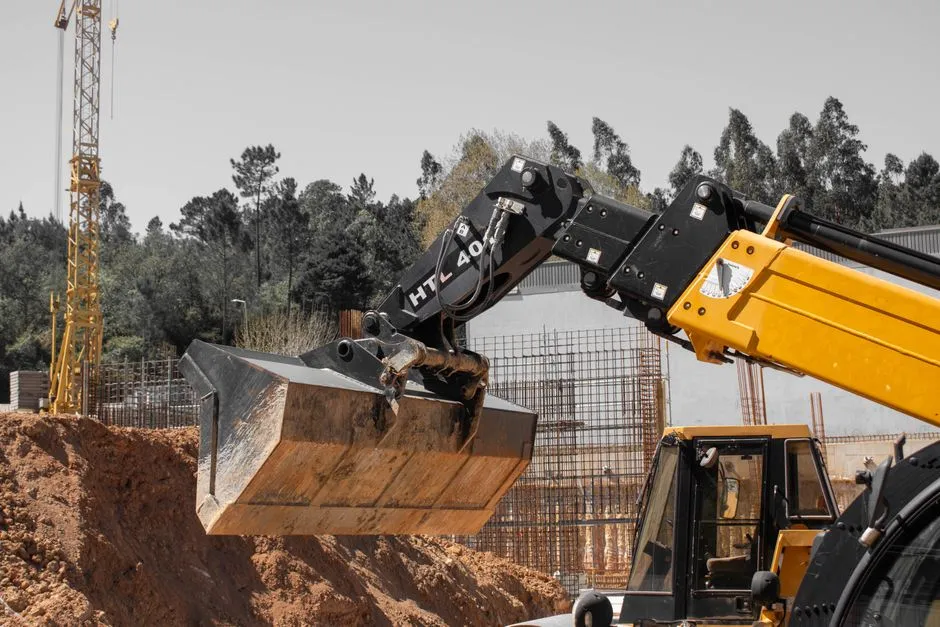
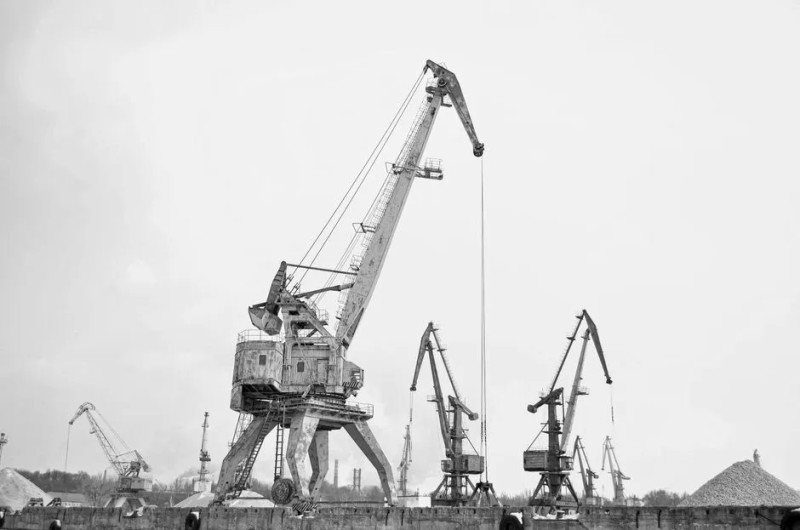
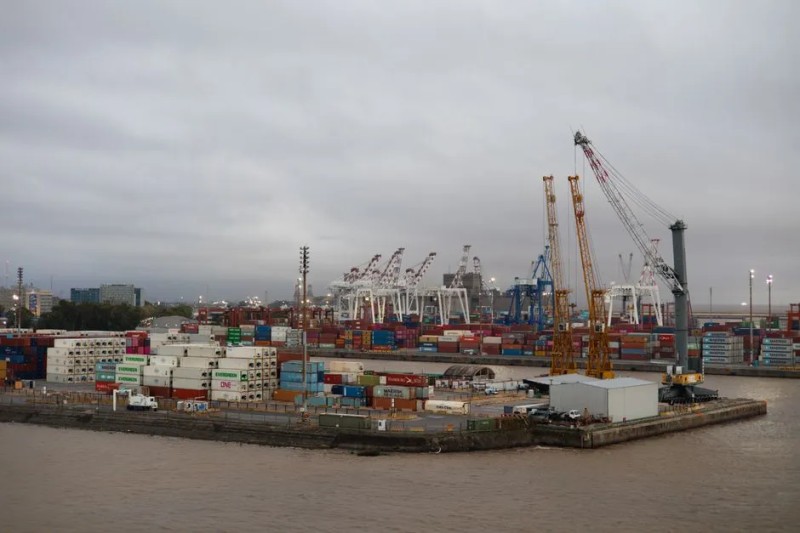
Cranes (cranes) are mainly used for vertical hoisting and horizontal lifting of heavy objects. First, you must be clear when purchasing.maximum lifting capacity。This parameter directly determines whether the equipment can be qualified for the target working conditions. The lifting weights of common truck cranes range from 8 tons to 1,000 tons. Secondly, focus onArm length and work range: The length of the main boom affects the hoisting height and radius, and the auxiliary boom or tower auxiliary boom can further expand the scope of operation. If frequent transfers are needed, focus on inspectionsChassis form and driving performance, all-terrain chassis has stronger off-road capabilities and suspension adjustment functions than ordinary car chassis.
lifting moment: The product of lifting volume and work range reflects the comprehensive lifting capacity.
leg span: Affects the stability of the whole vehicle. The larger the span, the stronger the anti-overturning ability.
Hydraulic system pressure and flow: Determine the smoothness and efficiency of luffing, telescopic, slewing and other movements.
2. Core parameters for bulldozer purchase
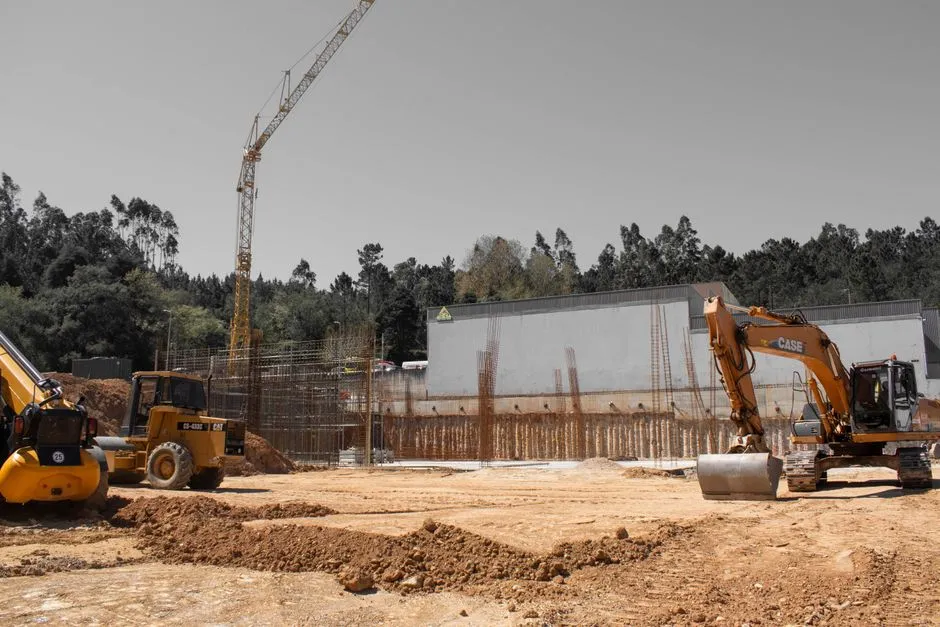
Bulldozers rely on blades to complete earth-rock movement, leveling and backfilling operations. Focus on purchasing and purchasing.net engine power。Power is the basis of the working capacity of a bulldozer and is usually marked in kilowatts (kW) or horsepower (hp). Generally, the power of small and medium-sized bulldozers is 80-160kW, and that of large mining bulldozers can reach more than 400kW.Blade capacity and widthThe same key is: the larger the capacity, the more materials will be moved at a single time, and the width needs to match the working surface. Excessive width may lead to increased steering resistance. Another important parameter isground pressure, it directly affects the penetration on soft ground-the wider the track shoe, the larger the contact area, the smaller the specific contact pressure, and the less likely it is to get trapped.
Focus on transmission and control systems
Modern bulldozers are often usedHydromechanical transmission or hydrostatic transmission。Hydrostatic transmission can achieve stepless transmission and in-situ steering, and is light to operate but costly; hydromechanical transmission is more durable and suitable for heavy-duty conditions. Also,Blade lift and tilt control method(Pilot control or electro-hydraulic proportional control) affects the accuracy of the operation. It is recommended to select a model with automatic leveling function for fine leveling operations.
3. Core parameters for loader purchase
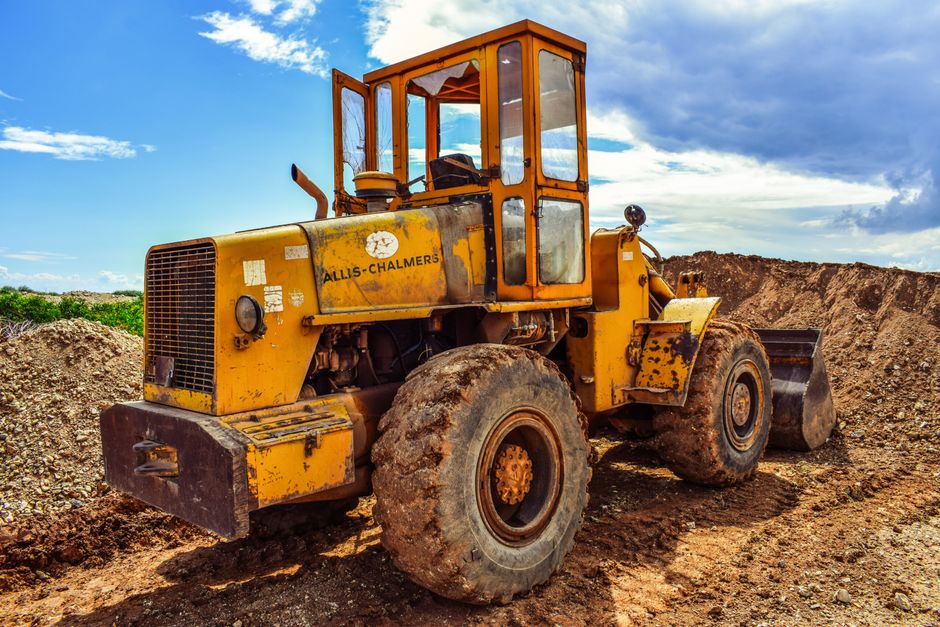
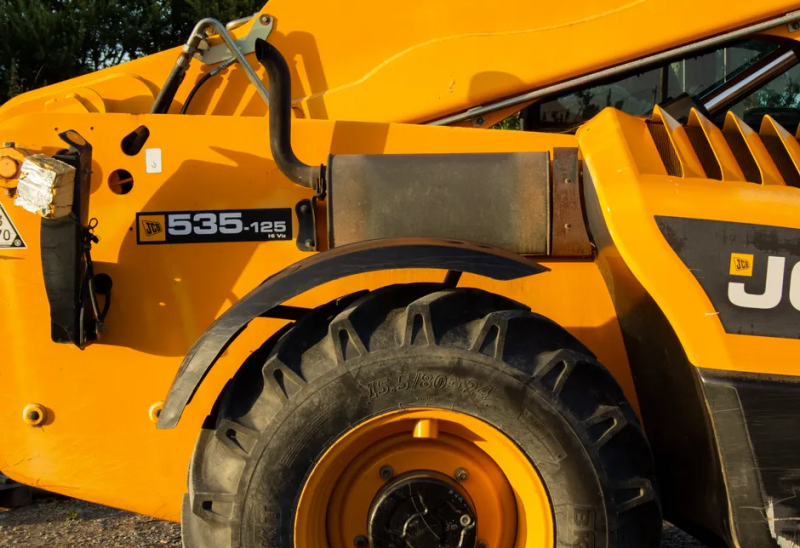
The loader is used for shoveling, short-distance transportation and loading of bulk materials. Its core indicators are:rated load, that is, the maximum loading mass allowed by the equipment under standard working conditions, with common specifications ranging from 0.8 tons to 12 tons.bucket capacity(m³) should match the rated load capacity: too large the bucket volume will lead to overload and stability reduction, and too small will lead to insufficient efficiency. You still need to check when purchasingUnloading height and unloading distanceThese two parameters determine whether materials can be successfully unloaded into trucks or silos, especially when the supporting vehicles are high.
Power and walking configuration
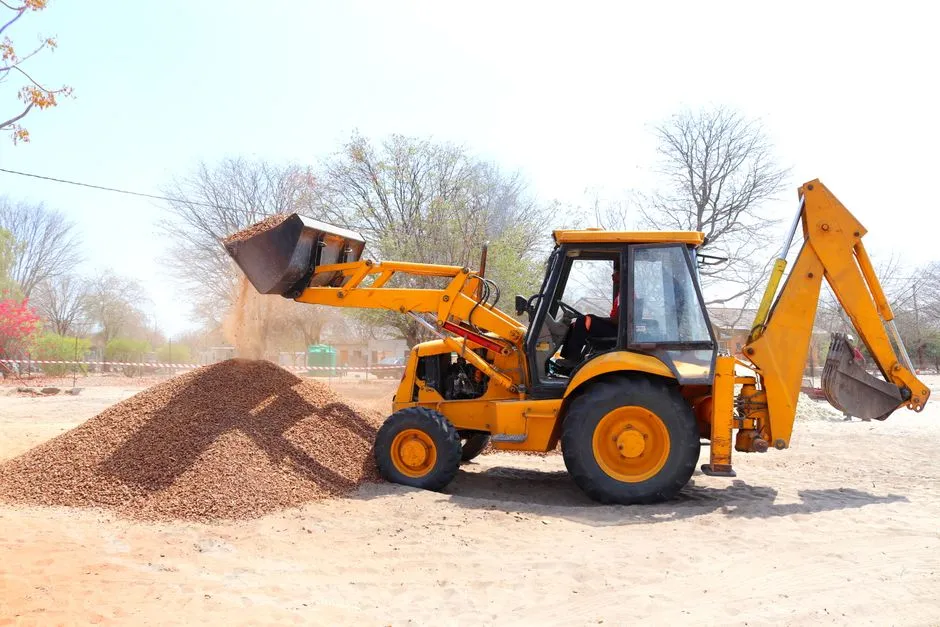
The engine power of the loader needs to be considered in conjunction with the rated load capacity and drive form. wheel drive is standard,Wheel base and wheel spacingDesign affects turning radius and driving stability. For users working in narrow spaces, it is recommended to choosearticulated frame, its steering is flexible and its maneuverability is better than that of the integral frame. In terms of gearbox types, the technology of fixed-axis power-shift gearboxes is mature and reliable, and the new typeElectrically controlled automatic gearboxIt can reduce operating intensity and improve fuel economy.
4. General purchase points and maintenance suggestions
Although the three types of equipment have different functions, they have common logic in procurement decisions. must firstMatching working conditionsFor example, in muddy wetlands, bulldozers should be of wetland type with low ground specific pressure, and cranes should not be of large truck crane; in mine stripping scenarios, loaders should be given priority to large bucket capacity and high-power models. second, we mustInspect the brand and after-sales service network, engineering equipment shutdown losses are huge, and the timeliness of parts supply is more important than the price. Third,Focus on emission standards and fuel consumption: In 2026, domestic non-road mobile machinery has fully implemented the National IV emission standard. When purchasing, it is important to confirm whether the engine environmental protection information is in compliance with regulations to avoid subsequent licensing and restrictions on use.
It is recommended that before signing the contract, arrange for the equipment to be put into trial operation at the actual construction site for at least half of a shift, focusing on testingOperating speed of each working device, rising hydraulic oil temperature, engine noise and vibrationSuch as subjective feelings, these can often expose problems that cannot be seen on the parameter list.
Anyway,Selection of cranes, bulldozers and loadersThere is no absolute optimal, only the best match with working conditions, budget, and management capabilities. graspcore parametersStarting from key indicators such as lifting weight, arm length, blade capacity, ground specific pressure, rated load capacity, and unloading height, combined with brand reputation and on-site verification, can we select equipment that is truly suitable for your own engineering project and make the equipment work in 2026. Achieve maximum benefits in construction.