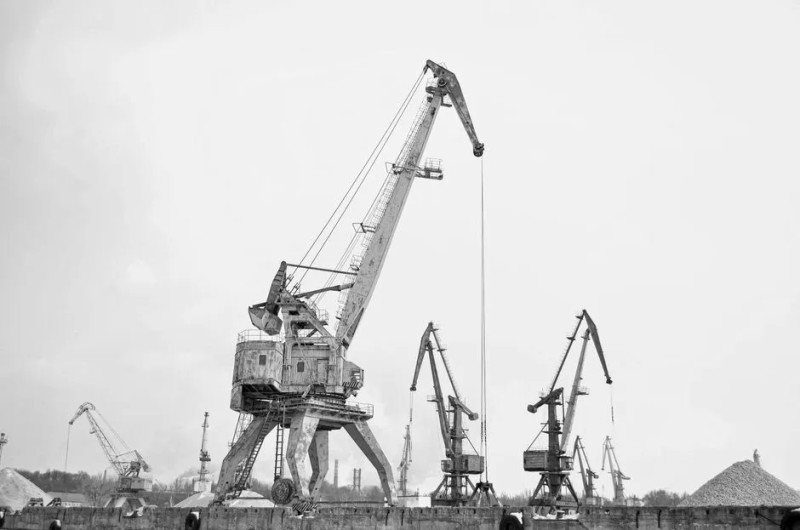
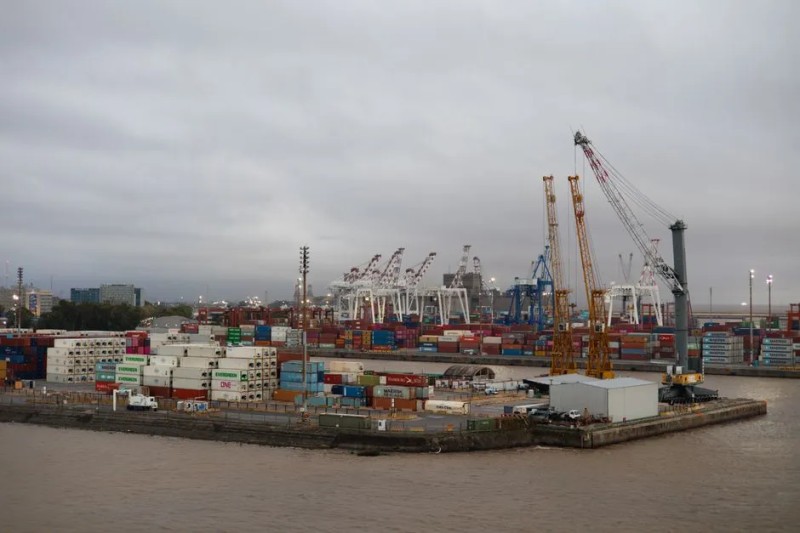
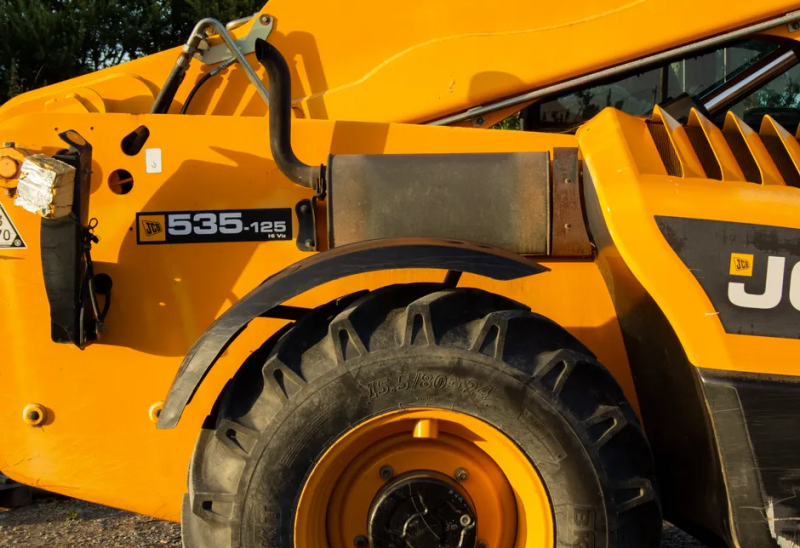
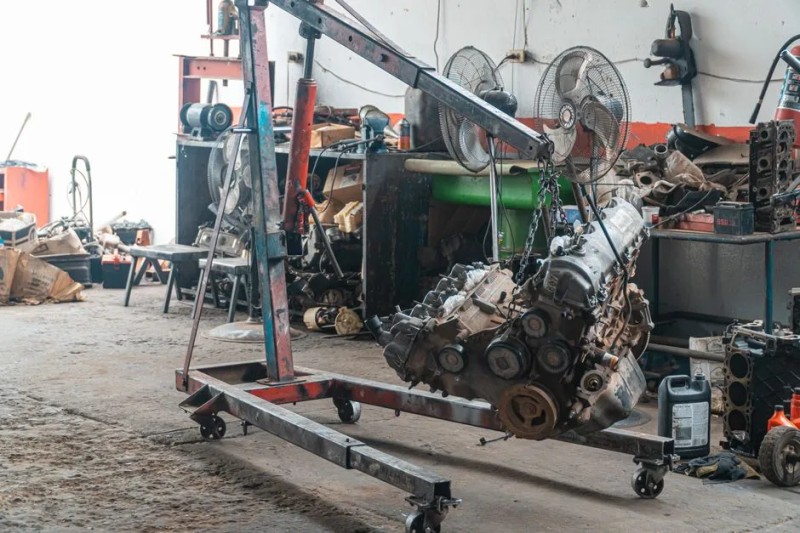
In-depth comparison of domestic and imported crane loaders: Which type is more suitable for your construction needs in 2026
Entering 2026, domestic infrastructure projects will continue to increase. Cranes (cranes) and loaders are the main equipment for earthworks and hoisting operations, and procurement demand will steadily increase. However, when selecting models, many construction parties will struggle:Domestic and imported crane loadersHow should I choose? Which type is more suitable for your construction needs? This article will conduct in-depth comparisons from core dimensions such as performance, price, after-sales, and adaptability to working conditions to help you clarify your ideas.
1. Role positioning of cranes and loaders
Cranes are mainly responsible for vertically lifting and transporting heavy objects, which are commonly used in building hoisting, bridge construction, equipment installation and other scenarios; loaders are responsible for tasks such as shoveling bulk materials, short-distance transfer, and site leveling. Although the two have different functions, they need to work together on many construction sites. Therefore, when selecting, we must not only look at the performance of the single machine, but also consider the matching degree of the whole machine.
2. Progress and typical advantages of domestic equipment
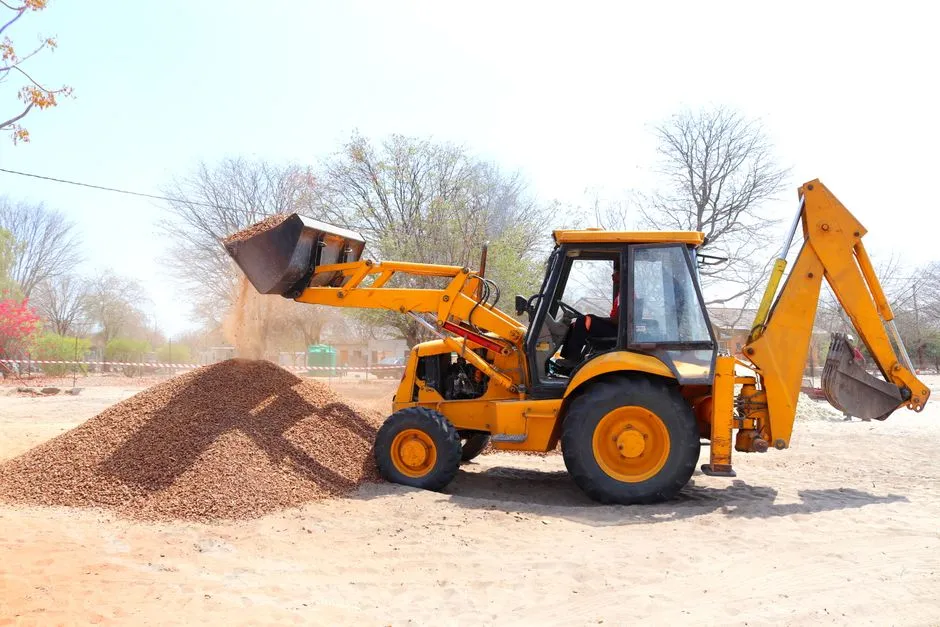
In recent years, domestic cranes and loaders have made significant progress in technological maturity and manufacturing process. The product line of the head brand has covered small and medium tonnages to large equipment. The advantages of domestic equipment are mainly reflected in:
price advantage is obvious: At the same tonnage or specification, domestic equipment is usually cheaper than imported equipment, and the initial investment pressure is small.
Service network intensive: Domestic manufacturers have many domestic after-sales outlets, fast supply of parts, and timely response to maintenance.
Strong adaptability to working conditions: Localized optimization has been made for the complex domestic construction site environment, oil quality, and operating habits, making it more durable and durable.
However, domestic equipment still lags behind front-line imported brands in terms of high-end hydraulic systems, electronic control precision, and long-term heavy-duty reliability. Especially in ultra-large cranes or precision loading operations, some users will still prefer to import.
3. Core competitiveness and limitations of imported equipment
Imported cranes and loaders often have a longer technical accumulation and perform stably in core components such as engines, hydraulic parts, and intelligent controls. Its advantages include:
it is very durable machine: Long design life and relatively low failure rate, suitable for continuous high-intensity operation.
Good control accuracy: The electro-hydraulic proportional control and load sensing systems are mature, and the operation feels smooth and suitable for fine operations.
Higher hedging rate: The used car market has high recognition of well-known imported brands, and the loss of transfer is relatively small.
However, imported equipment also has obvious shortcomings:High acquisition cost, the price of the same specification is usually significantly higher than that of domestic products;Long waiting period for parts, some niche models need to be transferred overseas;High maintenance technology threshold, require more professional service personnel.
4. Comparison of core dimensions: Starting from construction needs
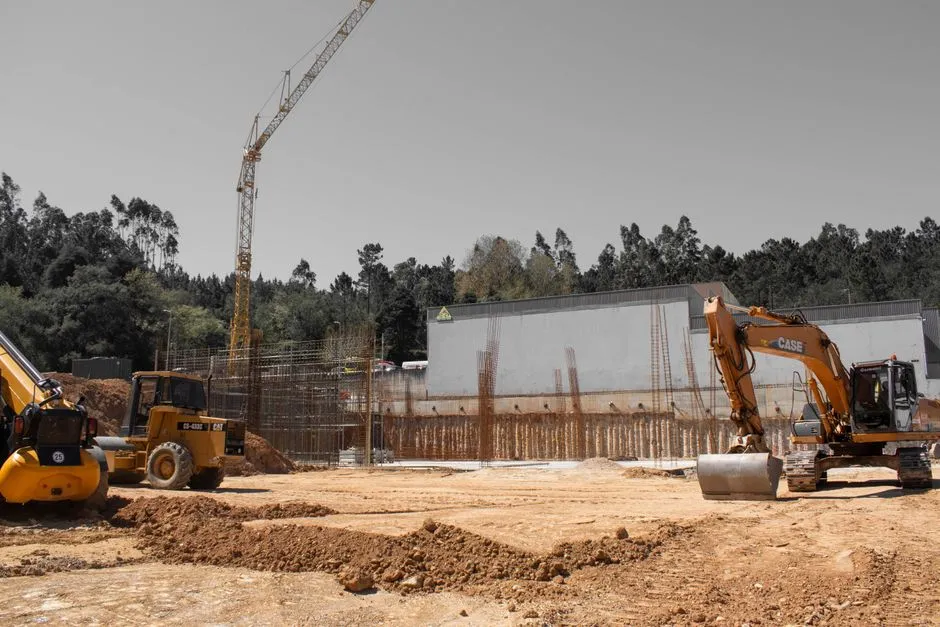
To be more intuitive, we list the key dimensions:
initial investment: Domestic products are dominant and suitable for construction parties with limited budgets or short project cycles.
long-term operating costs: Domestic parts are cheap but the possible failure rate is slightly higher; imported fuel consumption and maintenance costs are not necessarily low and require comprehensive calculation.
operation intensity: If the daily working hours of the construction site are long and the load is heavy, the reliability advantage of imported equipment will be more prominent.
construction precision: For scenarios requiring fine lifting or precise shoveling, the handling smoothness of imported equipment is better.
after-sales protection: Domestic outlets have high coverage, and imported brands may respond slowly in remote areas.
When selecting actual models, it is recommended to combine comprehensive judgment based on the project duration, capital recovery expectations, and local service capabilities, rather than just looking at brand ownership.
5. Provide selection suggestions according to construction needs
1. Small and medium-sized projects or short-term projects
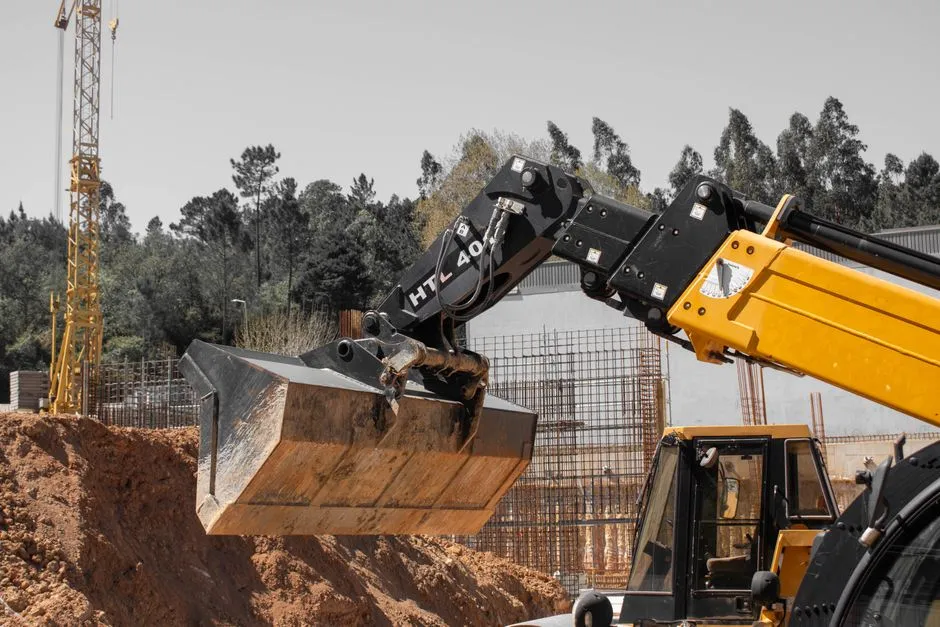
If the construction period is less than one year, or if the construction period is small and medium tonnage cranes or routine loading operations,Domestic crane loaderIt is usually more cost-effective, quick return to capital and convenient after-sales.
2. Large long-term projects or high-intensity working conditions
For continuous operation scenarios such as mines, ports, and large bridges, the high reliability and low downtime losses of imported equipment may bring better comprehensive benefits, provided that there is stable local spare parts and service support.
3. Special and precise operations
For example, lifting precision equipment and loading in narrow spaces, the handling accuracy and micro-motion performance of imported equipment are often difficult to replace by domestic equipment in the short term.
In short, in the construction machinery market in 2026, domestic and imported crane loaders have clear application ranges. Domestic equipment has made significant progress in price, service and localization adaptation, while imported equipment still retains a place in terms of reliability and accuracy. There is no absolute good or bad, only whether or notAdapt to your construction needs。It is recommended to test the machine on the spot before purchasing, compare parameters, calculate full life cycle costs, and inspect local service capabilities, so that truly suitable equipment can be selected.