Tips for operation and maintenance of machinery and equipment in winter: Guidelines for stable operation of crane loaders in low temperature environments
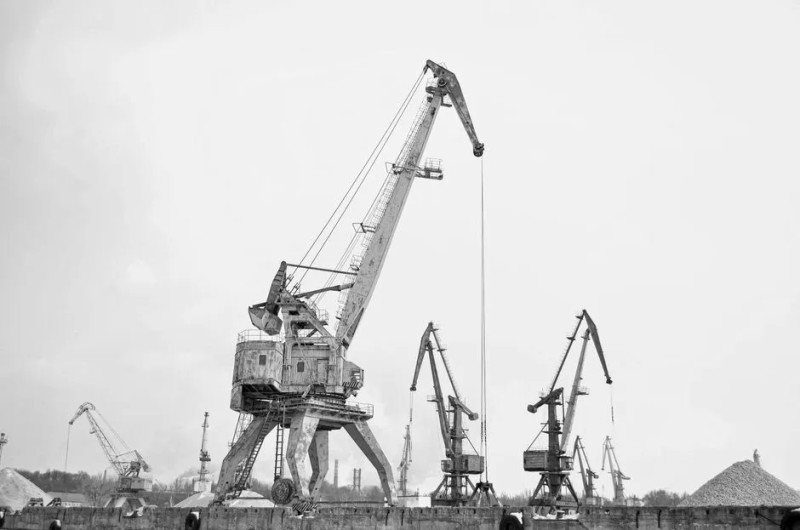
Entering the winter of 2026, temperatures continue to fall, and construction machinery is facing severe challenges. For outdoor equipment such as cranes and loaders, low temperatures not only cause difficulties in starting, but also cause problems such as hydraulic system lag, increased brittleness of metal components, and increased energy consumption. master scientificWinter mechanical equipment operation and maintenanceMethods to ensureCrane loader operates stably in low temperature environment, is a required course for every equipment manager and operator.
1. The main impact of low temperature environment on crane loaders
The impact of low temperature on construction machinery is comprehensive. First of all, diesel waxes at low temperatures, which deteriorates the fluidity and easily blocks the filter element; the viscosity of the oil increases and the lubrication effect decreases; the hydraulic oil becomes thicker and the system pressure builds slowly. Secondly, the battery capacity is greatly attenuated at low temperatures, and the starting current is insufficient. In addition, the toughness of metallic materials decreases at low temperatures, and cracks are more prone to occur in welds and high-stress parts. Only by understanding these impacts can we carry out targeted winter maintenance.
2. Key inspections and warm-up before winter start-up
1. Fuel and lubrication systems
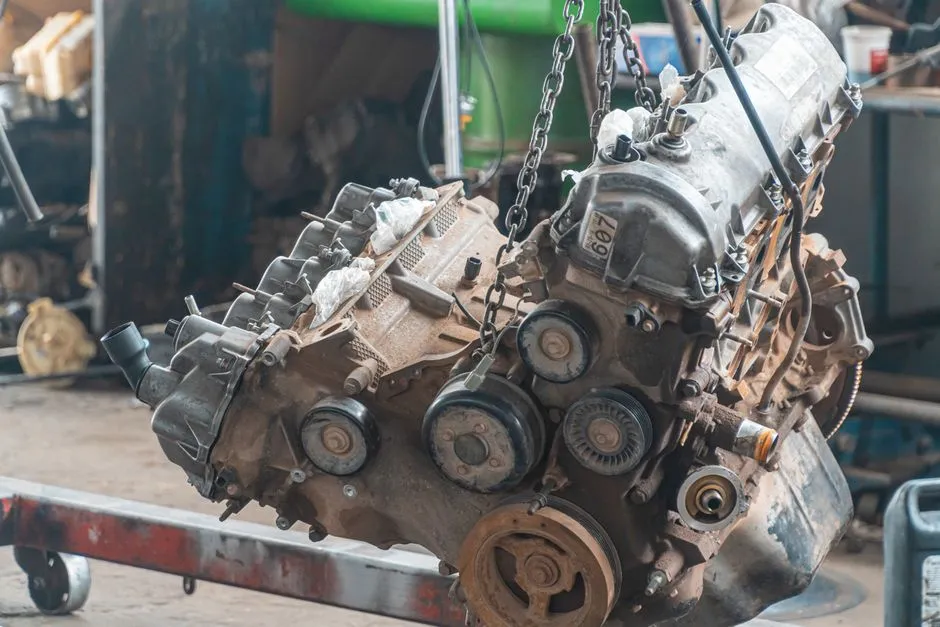
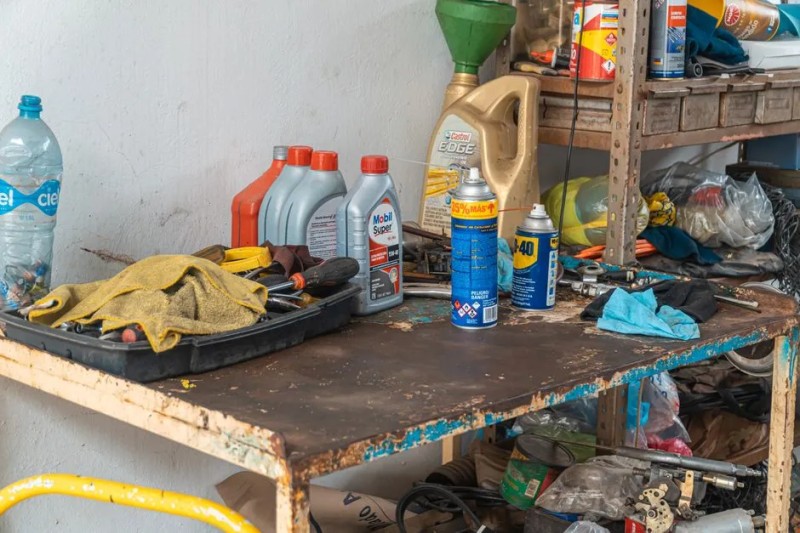
Select appropriate grades of diesel oil according to the lowest local temperature. For example, diesel oil with a freezing point of-35 or lower should be used in severe cold areas in the north to prevent wax precipitation. The oil should be replaced with multi-grade oil with good low-temperature fluidity, such as 5W-30 or 0W-40, to ensure that it can quickly reach each friction pair during cold starting. At the same time, check the fuel filter and oil-water separator to drain stagnant water in time to avoid freezing and clogging the oil passage.
2. Battery and electrical systems
The battery capacity drops significantly at low temperatures. Before starting, check whether the battery pile head is loose and corroded, and whether the electrolyte level is normal. Equipment with conditions can be equipped with battery insulation or low-temperature batteries. The ignition time during each start should not exceed 10 seconds, and the interval between two starts should be more than 1 minute to avoid overheating of the starter. If you cannot start it three times in a row, you should find out the reason and do not force the fire.
3. Cooling system and antifreeze
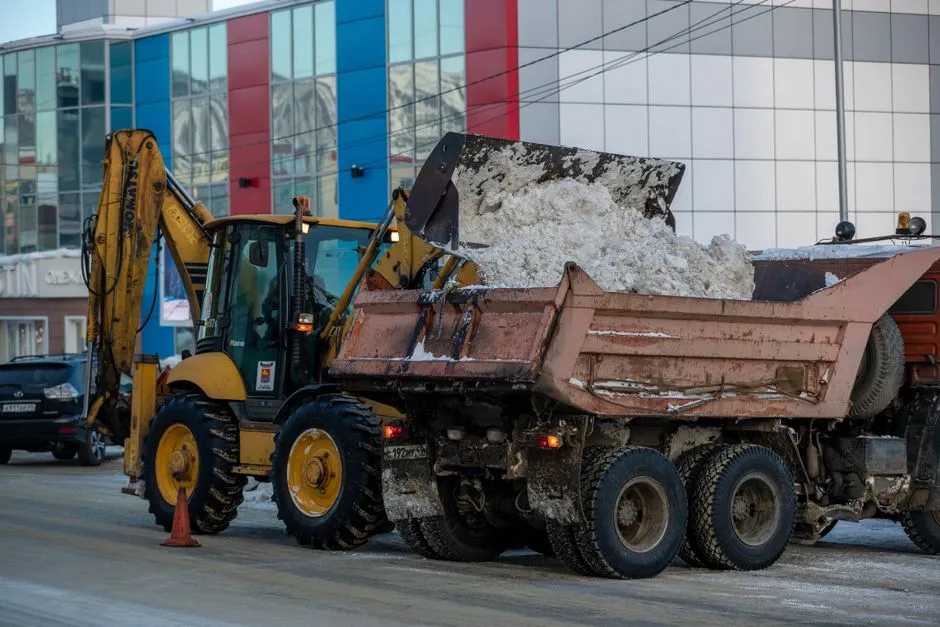
Check the freezing point of the coolant to ensure that the antifreeze meets the minimum local temperature requirements. Use regular brand antifreeze and do not mix different models. The engine oil pan and hydraulic oil tank can be properly preheated before starting, such as using an electric heater or steam heating, but the temperature must be controlled to prevent local overheating and damage to seals.
3. Low-temperature maintenance of hydraulic systems and working equipment
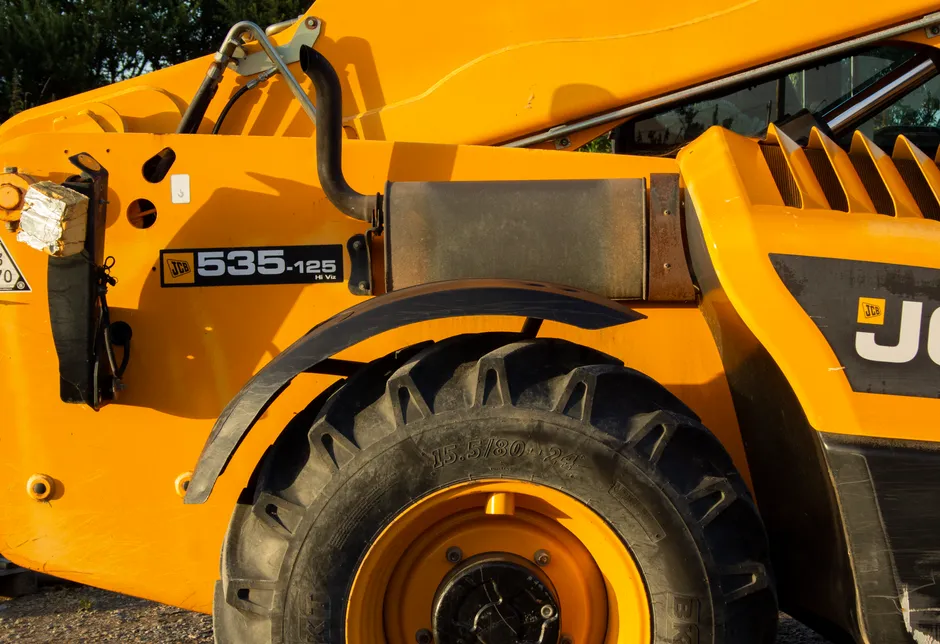
Hydraulic systems are the core of cranes and loaders. Hydraulic oil has high viscosity at low temperatures, which can easily cause air suction, cavitation and motion delay. After starting, the engine should be allowed to idle for 3 to 5 minutes, and then slowly operate each hydraulic cylinder to expand and retract for full stroke, so that the hydraulic oil gradually heats up and circulates evenly. Pay attention to observe the hydraulic oil level and oil quality, and replace it in time if emulsification or discoloration is found.
For equipment that has been operating in a low temperature environment for a long time, consider installing insulation materials on the hydraulic pipeline to reduce heat loss. Before each operation, run each working device with no load, and wait until the hydraulic oil temperature rises above 20℃ before operating under load. At the same time, check whether the hydraulic hose is cracked or hardened, and whether the joints are leaking. Rubber seals are easy to fail at low temperatures. If problems are found, deal with them immediately.
4. Winter operation habits and safety instructions for cranes and loaders
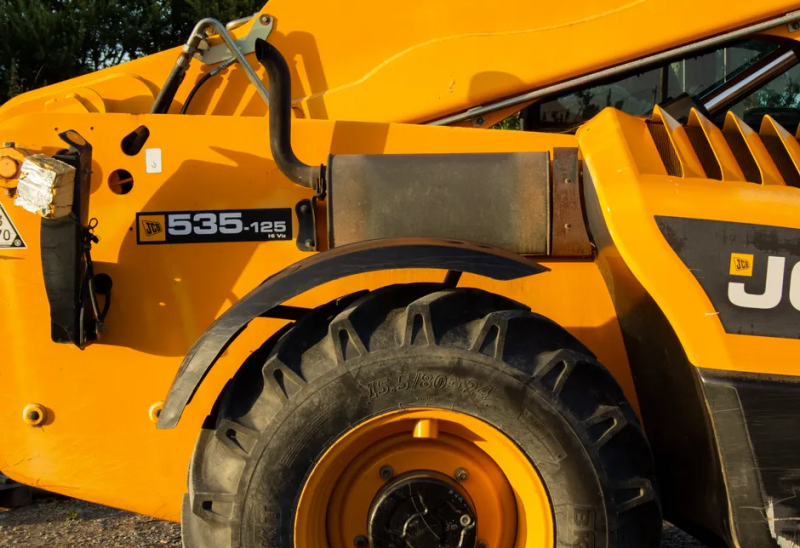
In a low temperature environment, the toughness of metal structural parts decreases, and stress parts such as crane arms and loader buckets are more likely to crack under impact loads. During operation, sharp ups and downs and overloading should be avoided. Especially for the first operation in the morning, small actions should be taken first to adapt the structural parts to temperature changes.
A basic principle for mechanical operation in winter: Better slow than fast, so that the equipment has sufficient warm-up and adaptation time.
At the same time, pay attention to the condition of the tires and tracks. Low temperatures will cause tire air pressure to drop, the rubber will harden, and the grip will be weakened; crawler equipment should check the tension of the track to prevent excessive tightening and abnormal wear on the pin shaft. After the operation, snow and ice on the equipment, especially cab glass, mirrors, lights and joysticks, should be removed to ensure safe use the next day.
5. List of shutdown storage and daily maintenance
Winter shutdown management is also critical. The following maintenance list can be used as inspection items after work every day:
Drain the water in the air storage cylinder to prevent the brake line from freezing
Fill up the fuel tank and reduce the air condensation in the tank
If shutdown for a long time, disconnect the negative pole of the battery or remove the battery and place it in a warm place
Clean up snow and debris on the engine cabin and radiator
Lower the working gear to the ground to relieve pressure on the hydraulic system
Use antifreeze to check the freezing point and add if necessary
Anyway,Winter mechanical equipment operation and maintenanceIt is a systematic work, from oil selection, battery maintenance, preheating operations to working habits, shutdown and storage, every link is related toCan crane loader operate stably in low temperature environments。As long as prevention and operation are standardized in advance, the winter failure rate can be effectively reduced, the service life of equipment can be extended, and the project progress is not affected by low temperatures.