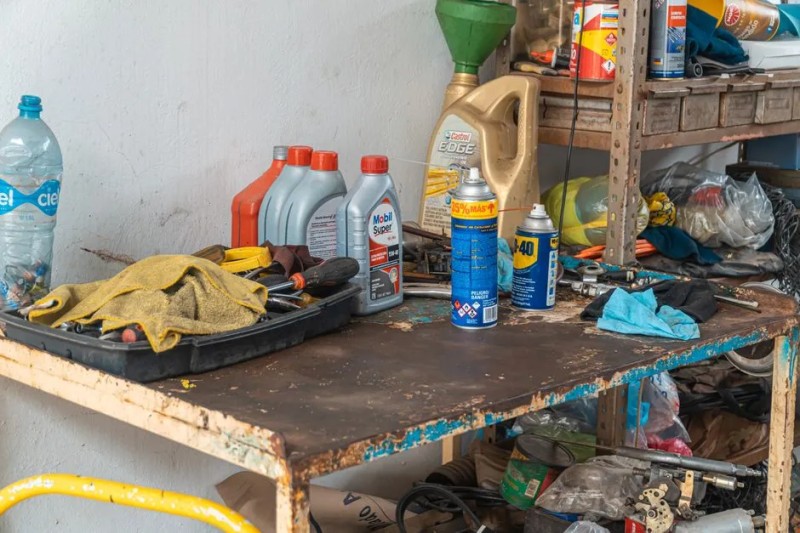
Troubleshooting guide for common faults in construction machinery and equipment: Even novices to crane loaders can quickly solve them
In industries such as construction, mining and logistics, cranes and loaders are indispensable construction machinery and equipment. However, after the equipment is operated under high load for a long time, various failures will inevitably occur. For novice operators or maintenance personnel, they are often at a loss when faced with sudden downtime. In fact, many common faults can be investigated and resolved through simple steps. This article focuses on common faults in cranes and loaders, and provides a set of quick troubleshooting guides for novices, so that you will no longer panic when encountering problems.
Troubleshooting common crane faults
Cranes are responsible for vertical and horizontal hoisting tasks, and their starting system, hydraulic system and braking system are areas with high incidence of failures. The following are the three most common types of problems and troubleshooting methods.
Crane is difficult or unable to start
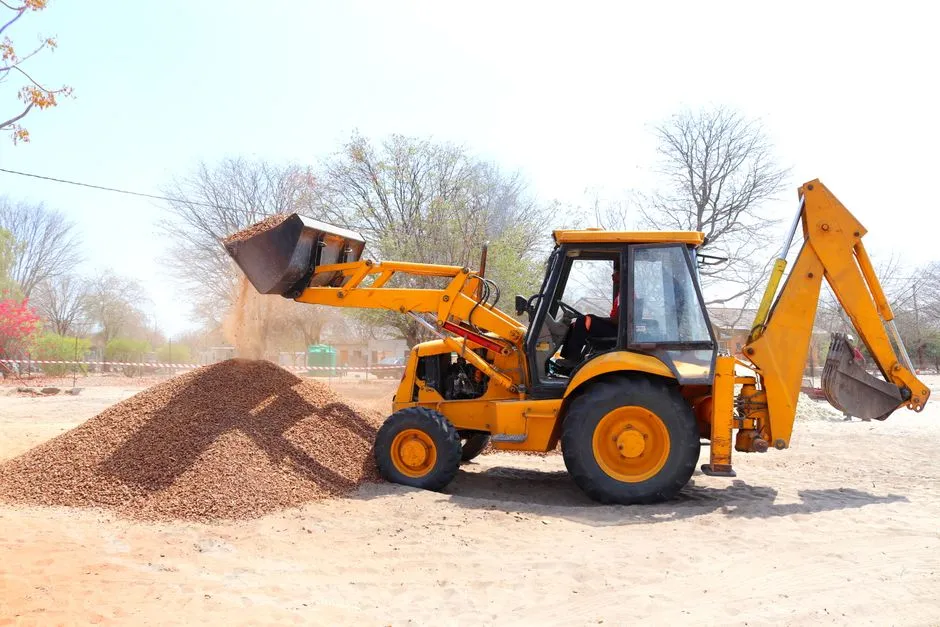
This phenomenon is usually caused by a battery loss, a fuel system blockage, or a starter failure. Novices can first check whether the battery terminals are loose or oxidized, and use a multimeter to measure the voltage (normally it should be above 12V). If the battery is normal, check whether the fuel filter is blocked. Try replacing the filter element and evacuating the air from the fuel system. If you hear a "click" sound from the starter but the engine does not run, it may be that the starter electromagnetic switch or gear is worn and further maintenance is needed.
Crane hydraulic system failure
The crane is weak in lifting, slow in action or sinking of the oil cylinder, which is mostly related to the hydraulic system. First check the oil level in the hydraulic oil tank. Insufficient oil will cause the pump to be empty. Observe the color of the oil. If it turns black or milky white, it means that the oil is oxidized or water enters and must be replaced. At the same time, check each hydraulic line and joint for leaks, especially high-pressure hoses. If the oil level and fluid are normal, it may be a leak in the hydraulic pump or a stuck control valve. It is recommended to use a pressure gauge to test the system pressure to judge the working status of the pump.
Crane braking failure
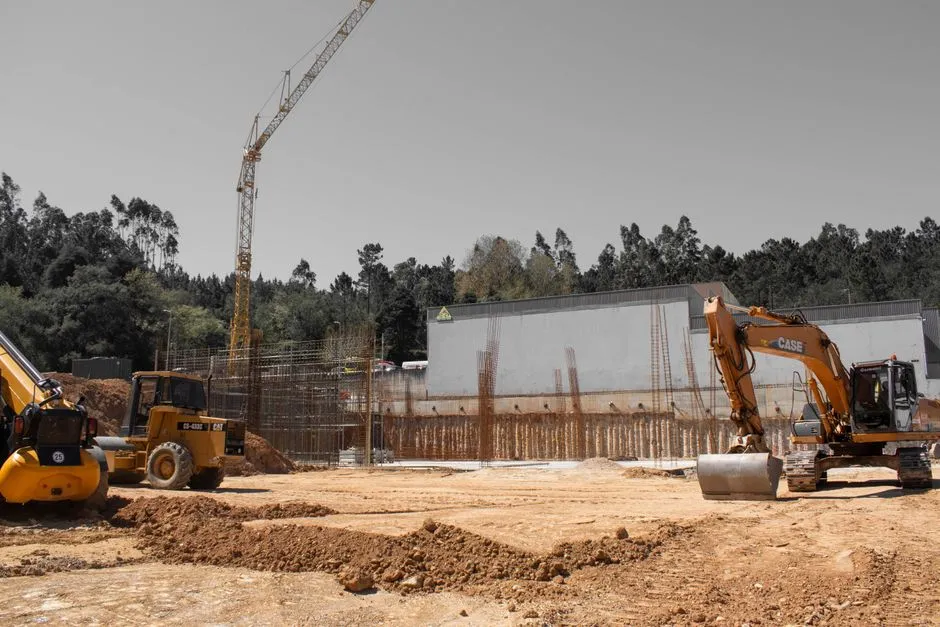
Failure of crane travel brake or swing brake will bring serious safety hazards. Common causes include excessive brake pad wear, leakage of brake fluid, or insufficient air pressure. For the pneumatic braking system, first check whether the pressure of the air cylinder reaches the standard value and hear whether there is any leakage. For hydraulic braking, check the liquid level of the brake fluid reservoir to see if there are oil stains in the brake line. If a sharp abnormal sound occurs during braking, it is most likely that the brake pads have been worn to the limit and need to be replaced immediately. Novices must be cautious when troubleshooting brake faults and test them after confirming that the equipment is fixed and reliable.
Troubleshooting common loader troubleshooting
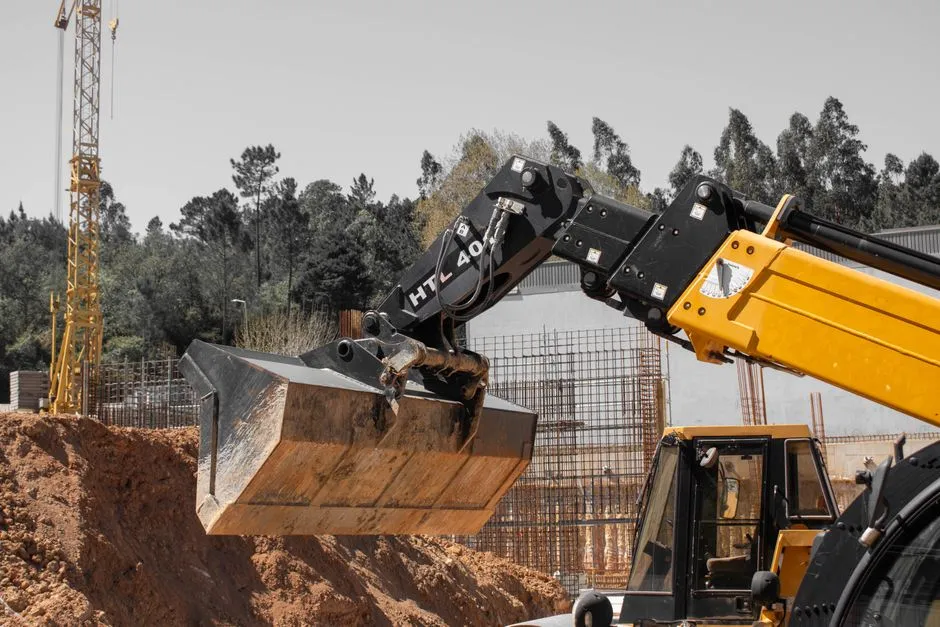
Loaders are mainly used for shoveling and short-distance transfer of materials, and their engine, hydraulic system and walking system have a high failure rate. Common problems and troubleshooting ideas are introduced below.
Loader engine is underpowered
If the loader feels a significant drop in power during heavy duty operations, first check whether the air filter is blocked. In a dusty construction site environment, the filter element is prone to dust accumulation, resulting in poor air intake. Remove the filter element and blow it clean with compressed air from the inside out. If it is damaged, replace it. Secondly, check the fuel quality. Poor quality diesel will cause poor atomization of the injector. Clean the fuel tank and replace the diesel filter. In addition, leakage in the intake pipe and damage to the turbocharger can also cause insufficient power. You can judge by listening for leaks or observing the smoke color of the exhaust pipe.
Loader hydraulic system abnormal
The lifting and tipping bucket movements of the loader are weak, shaking or inconsistent, which is often caused by problems with the hydraulic system. The most common reason is hydraulic oil contamination. Metal debris or impurities contained in the oil can block the valve core and aggravate pump wear. Hydraulic oil and oil return filter elements should be replaced regularly. If the hydraulic oil is normal, it may be due to stuck multi-way valve or leakage from the hydraulic pump. You can use a pressure gauge to measure the system pressure at the pressure measuring point and compare the standard value. When investigating, novices should pay attention to releasing system pressure before dismantling any hydraulic components to prevent high-pressure oil from injuring people.
Loader travel system failure
The loader walks slowly, deviates or abnormal driving wheels, which are mostly related to the walking motor, driving chain and tires. First check whether the air pressure of the four tires is consistent. Uneven air pressure will lead to deviation. For wheel loaders, check the oil level of the drive axle and wheel reducer; for track loaders, check whether the track tension is appropriate. Too loose or too tight will affect walking. If the travel motor has abnormal sound and is accompanied by a drop in power, the internal plunger or valve plate may be worn, which requires professional disassembly and inspection. Before walking, stones in the tracks or tires should be cleaned up to avoid damage.
Quick screening skills and preventive maintenance for novices
After mastering the above specific troubleshooting methods, novices can also follow the following general steps to improve troubleshooting efficiency:
Observe first, then act: Wrap the machine around before starting and check whether there are oil stains on the ground, whether the instrument has alarm lights, and whether the oil color and liquid level are normal.
addressing easier issues before difficult ones: Start with externally visible and easy-to-replace components, such as fuses, filter elements, and pipe connections, and then go deep into the internal mechanical structure.
Record fault phenomena: Use your mobile phone to capture the fault code or abnormal sound, record the occurrence timing and operating status in detail, and provide accurate information for professional maintenance personnel.
Pay attention to preventive maintenance: Regularly change oil, hydraulic oil, and filter elements according to the equipment manual, check brake pads and tire wear, and many sudden failures can be avoided.
In short, although there are many types of common faults in cranes and loaders, novices can solve most simple problems as long as they master the basic troubleshooting sequence from power supply, oil to mechanical connections. When encountering complex faults, be sure to keep calm, ensure safety first, and then contact professional maintenance. I hope the guide in this article will help you get started quickly, reduce equipment downtime, and allow construction machinery and equipment to operate stably and efficiently.