2026 Instructions for Importing Second-hand Engineering Equipment: Full summary of the qualification inspection process of crane loaders
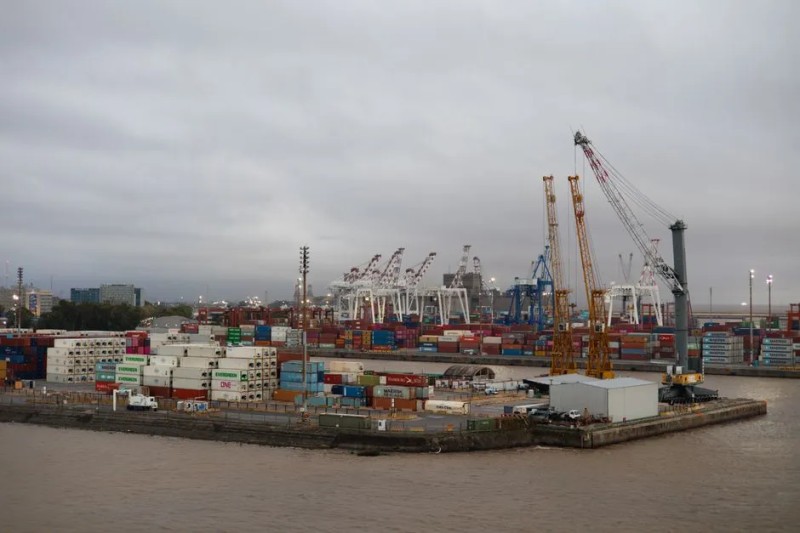
Entering 2026, the import demand for second-hand engineering equipment will remain strong, but the import of used machinery such as cranes and loaders is not a simple business. Due to large differences in equipment service life, source country standards, safety performance and environmental emissions, importers must be familiar with the contract before signing the contract.Import qualification inspection process of second-hand engineering equipment, especially the pre-shipment inspection, arrival verification and subsequent use access requirements involved in cranes and loaders. This article summarizes relevant instructions to help you master the key operating points in the system.
1. Before import: Determine equipment attributes and regulatory conditions
Second-hand cranes and loaders are usually managed as old mechanical and electrical products, and the product code (HS code) and corresponding regulatory conditions must be confirmed before importing. Cranes of different tonnages, different uses, and loaders of different power ratings may involve different license requirements. It is recommended to collect the following basic information:
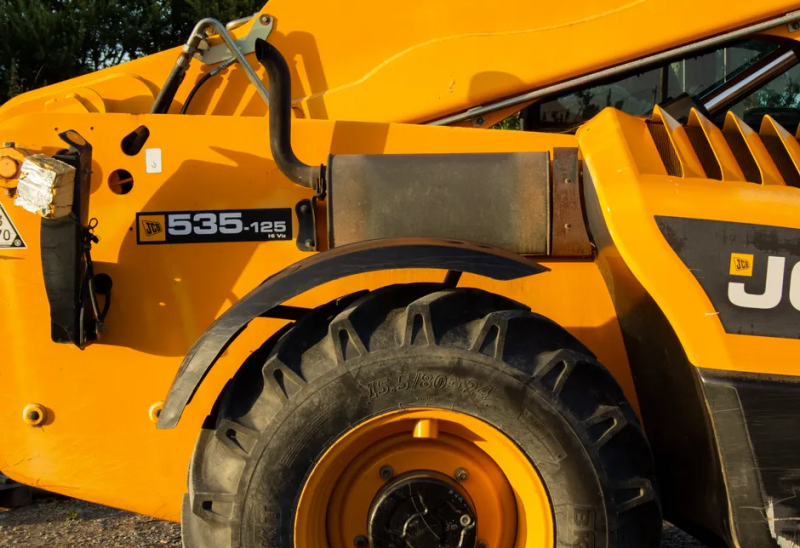
Equipment nameplate, model, serial number, and production year;
Factory certificate or original factory technical documents;
Use, maintenance and accident records;
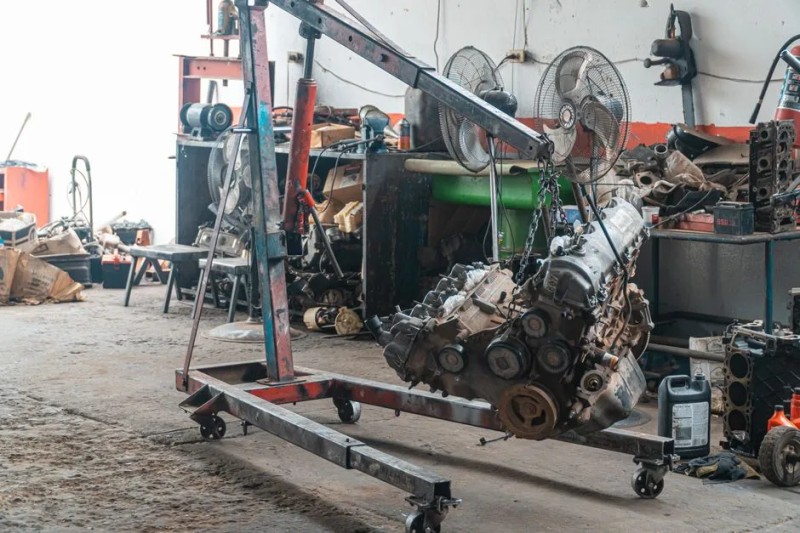
Engine model and emission stage information.
The degree of data perfection directly affects the follow-upqualification testWhether it can proceed smoothly, so don't rush to sign a contract when the information is incomplete.
2. Crane import qualification inspection process
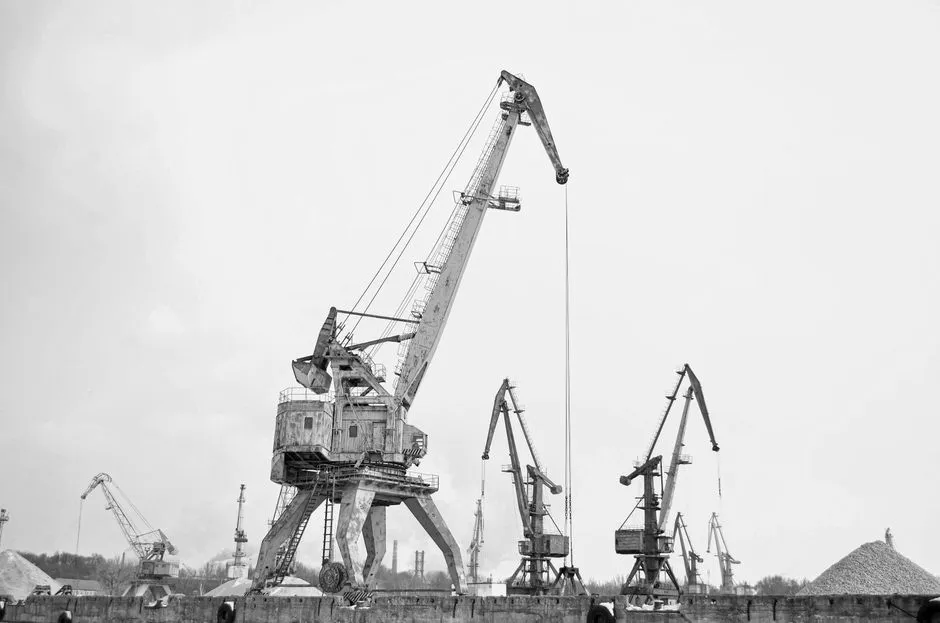
Cranes are lifting machinery, and there are often access requirements for the use of special equipment after import. The inspection of used cranes focuses on structural safety and the effectiveness of safety devices.
2.1 pre-inspection before shipment
Most old cranes need to be carried out by an approved inspection agency before shipmentpre-inspection before shipment, including appearance condition, main bearing components, welding quality, braking system andLifting capacity limiter, torque limiterSafety devices. The inspection authority will issue a pre-shipment inspection certificate, which is one of the important documents for declaration at the port.
2.2 Arrival inspection and pre-use inspection
After the equipment arrives at the port, the customs will check whether the nameplate, model, serial number are consistent with the declaration information, and may conduct random inspections on safety and environmental protection items. After customs clearance, imported cranes need to apply in accordance with the safety technical specifications for special equipment before they are put into usefirst test, only after a qualified conclusion is obtained can formal operation be carried out.
3. Loader import qualification inspection process
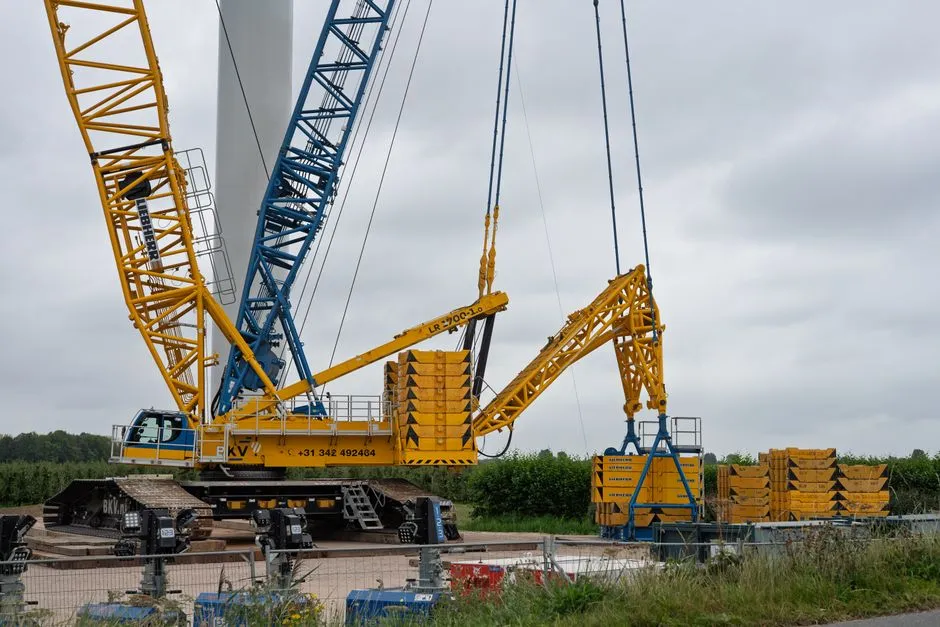
Loaders are non-road mobile machinery, and the qualification inspection in the import link focuses more on environmental emissions and the safety performance of the whole machine.
3.1 Environmental emission verification
Imported used loaders must pay attention to whether engine emissions are in line with my country's current situationEmission standards for off-road mobile machinery。For old loaders with low emission stages, no environmental protection information disclosure number or no emission inspection certificate, they may face the situation of not importing or installing after-treatment devices. It is recommended to confirm the engine emission stage and the feasibility of admission to the professional organization before signing the contract.
3.2 safety performance inspection
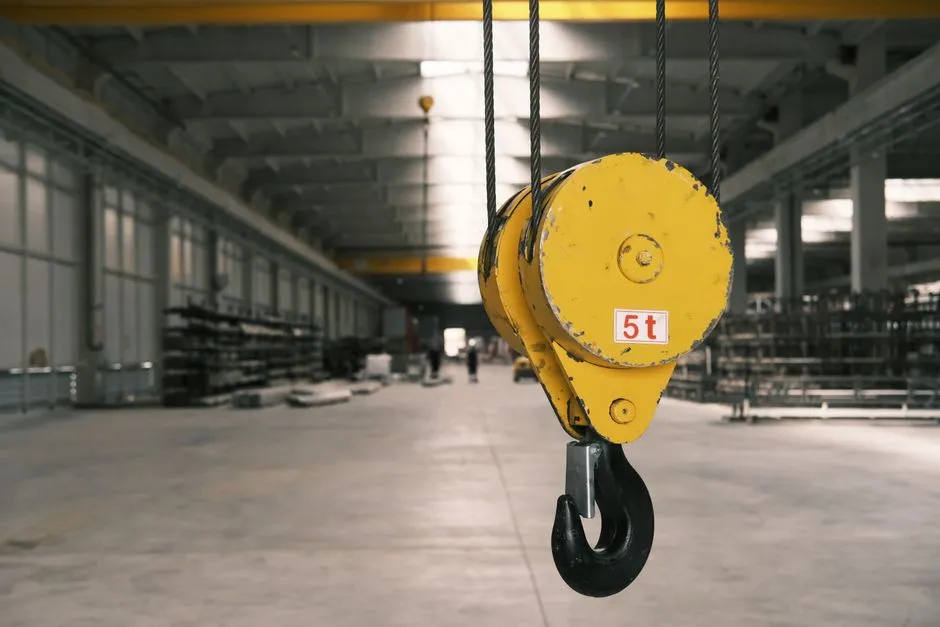
In addition to emissions, the loader's braking system, steering system, hydraulic system andAnti-roll protective structure (ROPS/FOPS)It is also the focus of inspection. If the equipment has been modified or major components replaced, it must be truthfully explained at the time of application, otherwise it may be required to rectify or even return for shipment due to inconsistency with the original technical data.
4. List of common qualification documents and processes
For ease of operation, the following lists the qualification documents and processes commonly involved in the import of used cranes and loaders:
Confirm HS code and regulatory conditions;
Apply for import licenses or automatic import licenses;
Arrange pre-inspection before shipment and obtain certificate;
Declaration at the port and cooperate with customs inspection;
First inspection of special equipment or confirmation of environmental protection compliance;
It will be put into use after passing the acceptance.
Documents that need to be retained include: import licenses, contracts, invoices, packing lists, bills of lading, pre-shipment inspection certificates, product certificates, use and maintenance records, and certificates related to special equipment.
Special reminder: There may be differences in emission standards for used cranes and loaders from different countries of origin and different years. It is recommended to entrust a professional customs broker or inspection agency to evaluate the equipment access conditions before signing a foreign trade contract, so as to avoid the failure of equipment due to arrival in the port.qualification testFailure to pass customs clearance.
5. Conclusion
There is no "unified template" for the import of second-hand engineering equipment. The qualification inspection process of cranes and loaders needs to be comprehensively judged based on the actual condition of the equipment and the current regulatory requirements in 2026. in advanceImport of second-hand engineering equipmentQualification verification, document preparation and inspection arrangements of the company can not only reduce customs clearance risks, but also ensure the subsequent safe and compliant use of equipment. I hope the summary of this article can provide a clear reference for your import business.