Comprehensive strategy for customs declaration and logistics of imported equipment: reduce the purchase time and cost of bulldozers and cranes
In the construction machinery import market in 2026, the procurement of heavy equipment such as bulldozers and cranes often faces a common pain point: price negotiations for the equipment itself have been finalized, but delays in the goods in ports, yards, and declaration links have led to project delays and capital occupation. Far exceeded expectations. For purchasers, what really needs to be compressed isCustoms declaration for imported equipmentand the time cost of the logistics link. This article provides you with a set of operational strategies that can be implemented from three dimensions: document preparation, classification and customs clearance, and large-scale transportation.
1. Preparation before shipment: Complete documents are the prerequisite for shortening the time
Many customs declaration delays are not due to low customs efficiency, but to insufficient preparation of the company's own documents. It is recommended to start the following work immediately after the contract is signed:
Confirm if it is neededimport license, some bulldozers and cranes fall within the scope of automatic import licenses or specific mechanical and electrical product management.
Foreign consignors are required to provide complete commercial invoices, packing lists, bills of lading or waybills, and check that the name, model, and quantity are consistent with the contract.
Collect certificates of origin, pre-shipment inspection and quarantine certificates (if applicable), as well as equipment technical parameter lists, use descriptions and nameplate pictures.
Entrust an agent with experience in customs declaration for heavy equipment in advance to pre-examine the documents to avoid being refunded after declaration.
Inconsistent documents, lack of technical information or vague nameplate information often lead customs to require additional explanations or even transfer them to inspection, which will be the biggest hidden killer of procurement time and cost.
2. Customs declaration process: accurate classification and model optimization
1. HS code classification needs to be correct once
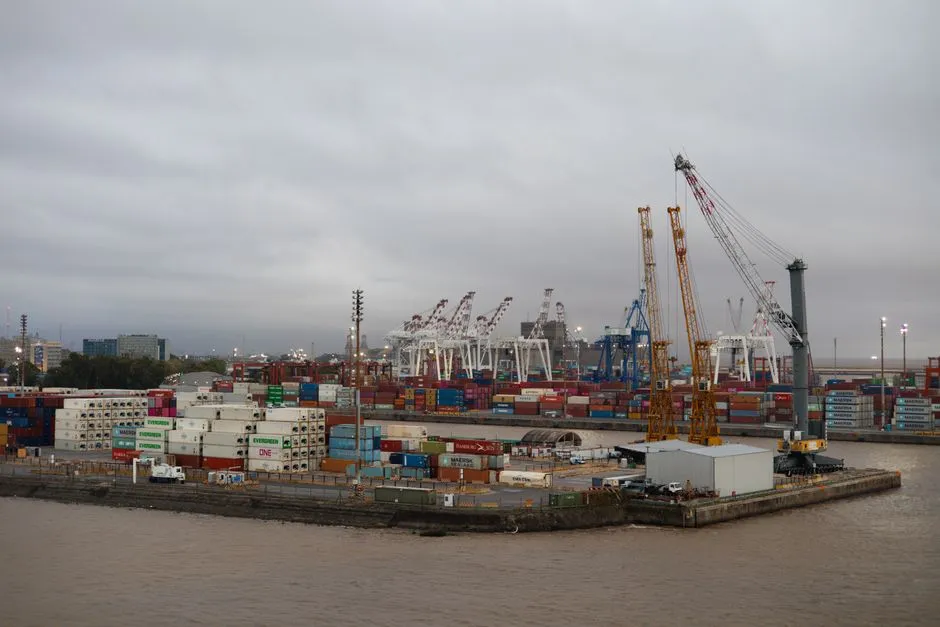
Bulldozers are usually classified under 8429, while cranes may be classified under 8426 or 8705 depending on their type. Incorrect classification will not only lead to tax repayments and fines, but may also trigger follow-up inspections, causing weeks of delays. It is recommended to determine the code through customs pre-ruling or professional classification consultation before formal declaration, and estimate tariffs and import value-added tax.
2. Use "two-step declaration" to reduce terminal waits
Eligible importing enterprises can adopt the customs "two-step declaration" model: first step, the goods can be removed from the port based on the summary declaration based on the bill of lading information; second step, complete the complete declaration within the specified time limit. For bulldozers and cranes that are eager to put into use, this model can significantly shorten the storage time in the port and reduce the cost of detention in the port and financial pressure.
3. Inspection and cooperation must be advanced
Inspection of heavy equipment often requires unpacking, machine inspection and even on-site operation testing. It is recommended to provide the equipment instructions, nameplate location maps and operating precautions to the customs broker before shipment, and arrange technical personnel to be present during inspection to reduce repeated inspections caused by poor communication.
3. Logistics and transportation: How to choose the right path for large-scale equipment
Bulldozers and cranes are mostly over-limit or major pieces of goods, and the transportation plan directly affects the delivery time.
1. Port and Shipping Company Selection
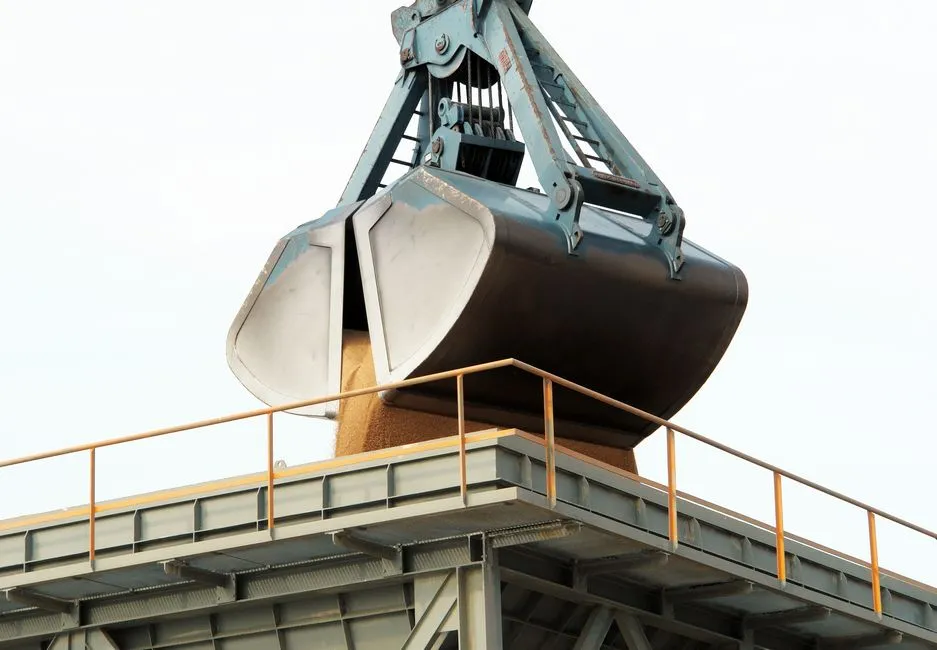
Priority will be given to ports and shipping companies with experience in operating major parts and resources for heavy-lifting ships and ro-ro ships. Some terminals have stronger storage capacity and higher operating efficiency for over-limit cargo, which can avoid forced transfer due to excessive equipment size. At the same time, try to choose direct flights or routes with few transfers. Although the freight rates may be slightly higher, the saved time costs and terminal storage fees are often more cost-effective.
2. Land transportation connection cannot be temporarily studied
From the port to the construction site, over-limit equipment needs to apply for large-scale transportation permits and formulate an escort plan. This part of the approval time is often ignored. It is recommended to communicate with the transportation department of the place where the goods pass through before shipment and submit the application materials in advance to avoid the equipment being stranded at the terminal without the license being approved after arriving at the port.
3. Multimodal transport and emergency plans
If the construction period is very tight, sea-rail combined transportation or unloading and transportation can be considered, but the additional costs and risks need to be evaluated. When signing a full-process logistics contract with a freight forwarder, the time limit and liability for breach of contract at each node should be clarified to ensure that the entire chain is controllable.
4. Practical skills to reduce procurement time and cost
Establish a multi-party collaboration mechanism: Allow foreign shippers, customs brokers, freight forwarders, and end users to synchronize their status every day in the same information group, and handle abnormalities immediately.
Promote electronicization of documents: Require shippers to provide editable electronic documents to shorten review and declaration time.
Reserve reasonable buffer: Even if the process is smooth, a buffer time of about 10% of the total period should be reserved for customs inspections, weather or port congestion to avoid chain delays caused by overly tight plans.
Review after each import: Record the actual time spent at each node, identify bottlenecks, accumulate data for the next batch of procurement, and continuously optimize the process.
All in all, reducing the procurement time and cost of imported equipment such as bulldozers and cranes is not an isolated struggle in a certain link, but ratherCustoms declaration for imported equipment, logistics and transportation, document management and multi-party collaboration systems engineering. In the competitive environment of 2026, whoever can complete import delivery more efficiently will be able to turn equipment into productivity faster. I hope the practical suggestions in this article can help you reduce unnecessary waiting in future purchases and truly achieve cost reduction and efficiency improvement.