Comprehensive strategy for equipment lubrication and maintenance: Selecting the right type of oil for cranes and bulldozers is the key
In the daily operation and maintenance of construction machinery,Equipment lubrication maintenanceIt often determines the reliability and life of the whole machine. For heavy-duty equipment such as cranes and bulldozers with high loads and multiple working conditions, oil not only plays a role in reducing friction and wear resistance, but also plays multiple functions such as cooling, cleaning, rust prevention and sealing. If the type of oil is selected incorrectly, it may lead to abnormal wear of parts and increase in oil temperature, or serious failures such as hydraulic system jamming and gearbox erosion may occur. Therefore, around "Bulldozer crane selects the right oil typeEstablishing a scientific lubrication management system is a skill that every equipment manager must master.
Crane lubrication maintenance: hydraulic system and slewing mechanism are the key points
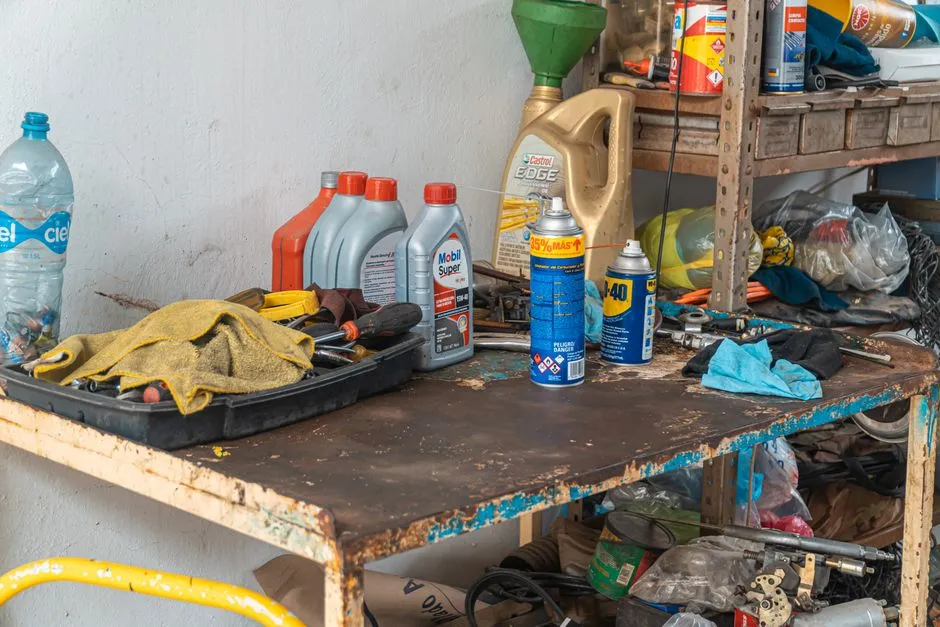
During crane operation, the hydraulic system undertakes core actions such as lifting, luffing, and stretching, and places extremely high requirements on the antiwear resistance, viscosity-temperature characteristics and cleanliness of the oil. commonly usedanti-wear hydraulic oil, common viscosity grades are ISO VG 46 or 68, which needs to be selected based on the ambient temperature and system pressure. For example, under high temperature or continuous heavy load conditions in summer, VG68 can be selected to ensure sufficient oil film strength; while in cold regions and winter, low-viscosity oils of VG32 or 46 are more conducive to cold start and system response.
In addition to hydraulic oil, crane slewing reducers and hoist reducers need to be usedHeavy duty gear oil。This type of gear oil should have excellent extreme pressure anti-wear resistance (API GL-5 grade) and good anti-emulsification properties to cope with heavy impact and possible moisture intrusion. At the same time, boom slides, wire rope pulley bearings and other parts need to be filled regularlylithium greaseor molybdenum disulfide grease to reduce direct friction between metals.
Common misunderstandings about crane oil selection
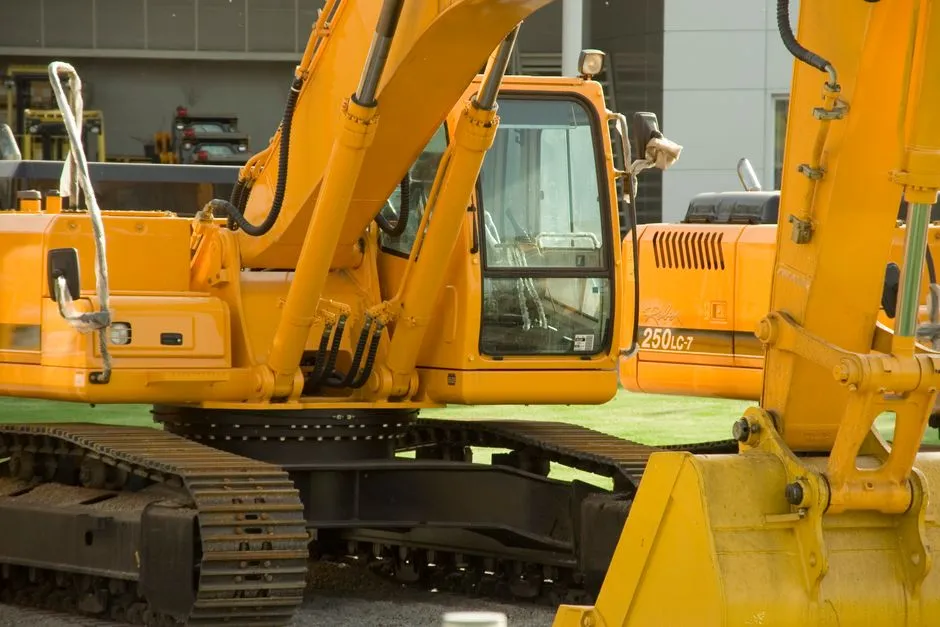
Replace anti-wear hydraulic oil with ordinary hydraulic oil: Ordinary hydraulic oils lack enough anti-wear additives, which will accelerate wear in high-pressure piston pumps.
Neglecting viscosity grade matching: If the viscosity is too high, it will cause the system to heat and increase energy consumption; if the viscosity is too low, it will be difficult to establish an effective oil film.
Do not replace hydraulic oil filter elements for a long time: Blocking filter element will cause oil bypass, and pollutants will directly enter the system, exacerbating component wear.
Bulldozer lubrication maintenance: Engine and transmission system need to be treated in a hierarchical manner
The working environment of bulldozers is harsh and is often in high dust, high load, and low speed conditions. Its lubrication requirements are significantly different from those of cranes. The engine as the power core should be selected in accordance with the requirements.API CH-4 or higherthediesel engine oil, the viscosity grade is usually 15W-40 or 20W-50. This type of engine oil has excellent high-temperature cleanliness and anti-wear properties, can effectively inhibit piston carbon deposition and bearing wear, and adapt to long-term high-load operation.
The hydraulic transmission system and final drive gearbox of the bulldozer require the use of dedicatedhydraulic transmission oilorHeavy-duty vehicle gear oil。Hydraulic transmission oils not only perform lubricating functions, but also serve as power transmission media. They are required to have appropriate friction characteristics and anti-foam properties. Generally, products that meet Cat TO-4 or Allison C-4 specifications are selected. Due to the huge torque in the final drive part, the gear oil needs to meet the API GL-5 standard and have good extreme pressure and shear resistance.
Bulldozer Lubrication Checklist
Check the engine oil level before starting every day, and immediately investigate the cause of leakage or oil burning if abnormal consumption is found.
Check the oil level and oil quality of the hydraulic oil tank every 250 hours to see if there is emulsion or metal chips.
Change the oil and oil filter every 500 hours, and check the status of transmission oil and gear oil at the same time.
Add grease to the lubrication points of the entire vehicle (pins, bearings, universal joints, etc.) every 1000 hours to clean up the old grease.
General principles for selecting the right oil type
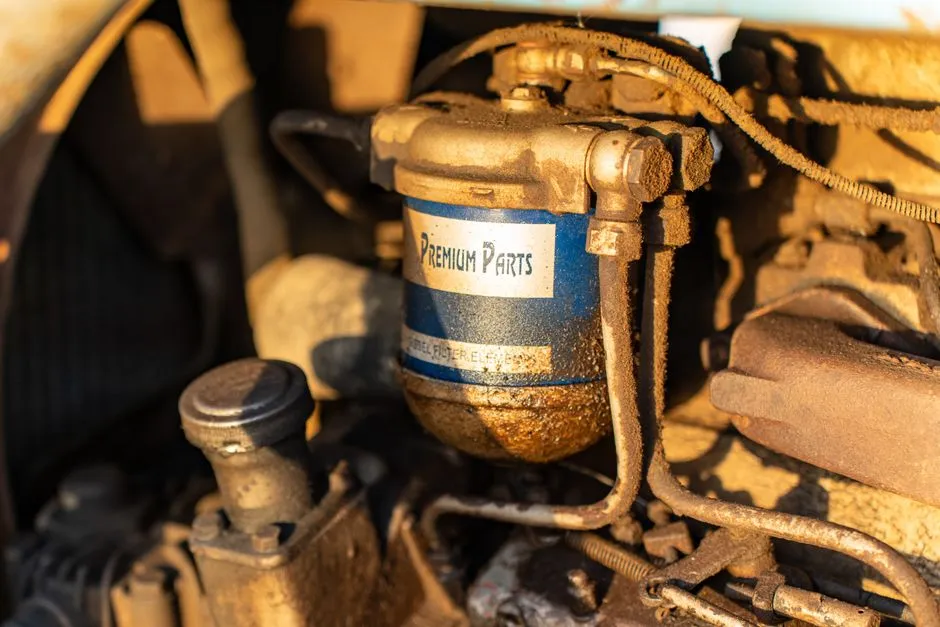
Whether it's a crane or a bulldozer,Select the right oil typeThe following core principles should be followed:
Refer to manufacturer recommendations: The equipment operation manual clearly stipulates the oil type, viscosity grade and certification standards, which is the most basic and reliable basis.
Consider ambient temperature: Select high-viscosity oils in high-temperature areas, select low-viscosity oils or good low-temperature fluidity in low-temperature areas, and use multi-grade oils if necessary.
matched load characteristics: Under heavy loads and impact loads, oils with stronger extreme pressure and anti-wear properties should be selected, such as GL-5 grade in gear oils and high-pressure anti-wear type in hydraulic oils.
Pay attention to oil compatibility: Mixing different brands or types of oil may cause additive reactions, resulting in degradation of oil performance. The system should be thoroughly cleaned before replacing oil.
In the practice of lubrication maintenance, in addition to selecting the right oil, it is also necessary to establishRegular oil analysissystem. By testing indicators such as oil viscosity, acid value, moisture, and particle contamination, equipment wear trends and oil degradation levels can be discovered in advance, thereby optimizing the oil change cycle and avoiding excessive maintenance or insufficient maintenance. For example, if an abnormal increase in copper content is detected in hydraulic oil, it often indicates that the piston pump shoes or valve plates are worn and require timely maintenance.
Common lubrication failures and prevention
Many equipment failures do not stem from mechanical design flaws, but are the result of the accumulation of improper lubrication. Common lubrication-related issues include:
oil temperature is too high: It may be due to the high viscosity of the oil, insufficient oil, blockage of the cooler or serious leakage in the system, and it is necessary to investigate item by item.
oil emulsification: The appearance of milky white turbidity in hydraulic oil or gear oil indicates that water is invading. You should immediately stop the car to replace the oil and find the water inlet point.
Dry friction at lubrication points: It is manifested by abnormal noise and local high temperature. Usually, due to the lack of timely filling of lubricating grease or insufficient filling amount, it needs to be replenished according to the maintenance cycle.
Filter element is frequently blocked: Prompt that there are too many pollutants in the system or the oil has been seriously degraded. Check the cleanliness of the oil when replacing the filter element.
All in all,Equipment lubrication maintenanceIt's a systematic project, and "Bulldozer crane selects the right oil type"This is the key breakthrough. Only by scientifically selecting and correctly using hydraulic oil, gear oil, engine oil and lubricating grease according to equipment type, working conditions, environmental temperature and manufacturer's specifications, and cooperating with standardized inspection, replacement and oil analysis systems can we minimize Wear, prevent sudden failures, and keep cranes and bulldozers in an efficient and reliable operation state. I hope that the comprehensive strategy in this article can provide you with practical guidance and help equipment management to a higher level.