Global engineering equipment market observation in 2026: The wave of intelligent upgrades for cranes, bulldozers and loaders has arrived
In 2026, the global construction equipment market is undergoing a profound transformation driven by technological advancements. Cranes, bulldozers, and loaders, which are considered the three essential devices for earthwork and lifting operations, are all undergoing significant changes.intelligent upgradeThe critical window period for this industry has arrived. From mature markets in Europe and America to emerging infrastructure regions in Asia and Africa, the penetration rate of intelligent engineering equipment continues to rise, becoming the core driving force behind industry growth.
Global engineering equipment market: Intelligence becomes the main driver of growth
According to analyses by several industry organizations, the global engineering equipment market is expected to maintain steady growth in 2026. Among these products, intelligent devices are expected to experience faster growth compared to traditional equipment. The increasing demand for infrastructure construction, mining operations, and urban renewal is driving a growing demand for high-efficiency and high-security equipment. This trend is particularly evident in certain sectors.Crane, bulldozer, loaderWith three major categories, this intelligent upgrade not only improves the efficiency of individual operations, but also transforms the construction management model through data integration.
Industry insights: Intelligence isn’t simply a combination of various functions. It involves a comprehensive reconfiguration from hydraulic control and power systems to overall system coordination.
In terms of regions, the Asia-Pacific area is the largest market for intelligent engineering equipment due to large-scale infrastructure projects. In Europe and North America, there is a rapid replacement of outdated equipment under the pressure of emission regulations and labor costs.
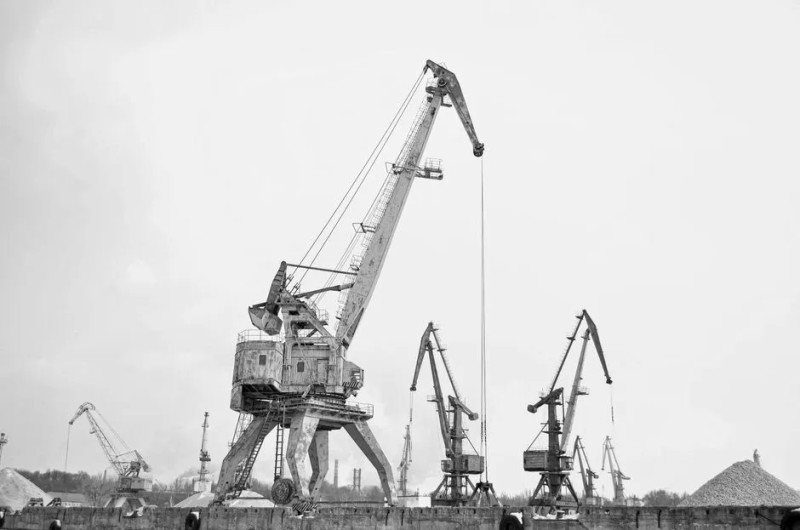
Cranes are being upgraded with intelligent technologies: from precise lifting to autonomous operation.
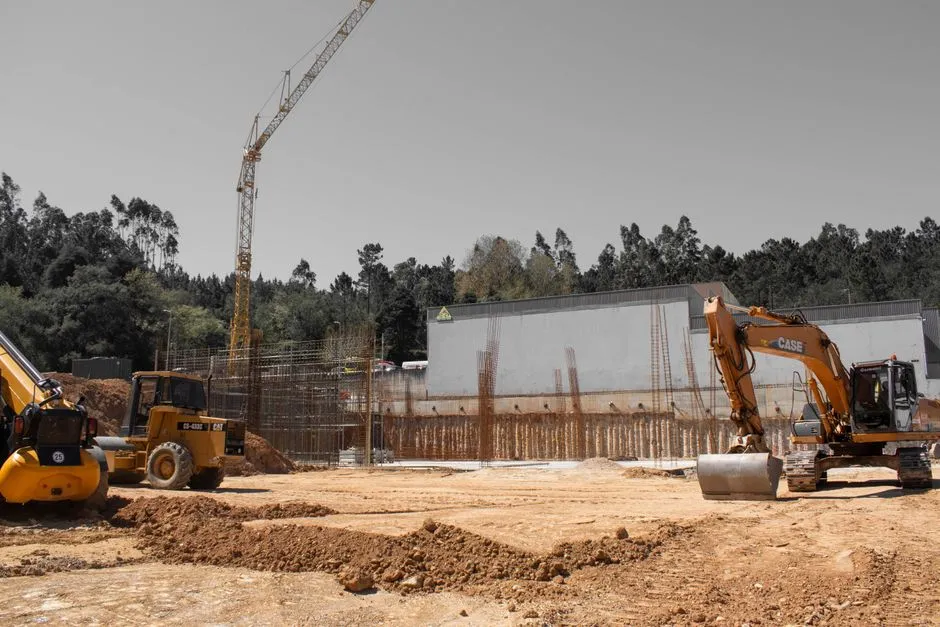
As the "powerhouse" of construction sites, cranes have seen significant advancements in terms of intelligence. These improvements focus on three main areas:Precise location tracking, security monitoring, and remote control capabilitiesThe new generation of intelligent cranes features advanced GPS positioning technology, anti-sway algorithms, and torque limitation systems. This allows for precise control over lifting errors, with the error being within centimeters. Operators can monitor the angle of the boom, load distribution, and wind speed data in real time through the touchscreen in the cab. This significantly reduces the risk of tipping over and collisions.
Intelligent anti-swing technologyBy using sensors to calculate and counteract the oscillations of the hook in real time, the operation efficiency can be improved by more than 30%.
Remote control and autonomous planningIn dangerous environments or special scenarios like nuclear power plants, operators can perform lifting operations from hundreds of meters away, using 5G networks for communication.
predictive maintenanceReal-time monitoring of critical components via the cloud, enabling early detection of wear on steel wires and abnormal temperatures in hydraulic fluids. This helps prevent unplanned downtime.
Intelligent bulldozers: Automatic leveling and unmanned construction have become standard features.
The intelligent evolution of bulldozers focuses on…The accuracy of earthwork operations and the ability to operate without human interventionTraditional bulldozers rely on the operator’s experience to control the height of the blade. In contrast, intelligent bulldozers utilize onboard lasers or Global Navigation Satellite Systems (GNSS) for this purpose.automatic levelingThe leveling error has been reduced from decimeter-level to centimeter-level. In the construction of large mines and highway subgrades, the operating efficiency of an intelligent bulldozer can be comparable to that of two traditional machines.
Some leading manufacturers have already introduced products with this feature.No one is capable of carrying out any construction work at all.The bulldozer uses onboard radar and multi-eye vision to perceive the surrounding environment, thereby autonomously performing tasks such as scraping, pushing, and leveling. The operator only needs to set the operational boundaries and slope parameters at the control center, after which the equipment can operate continuously for 24 hours a day.
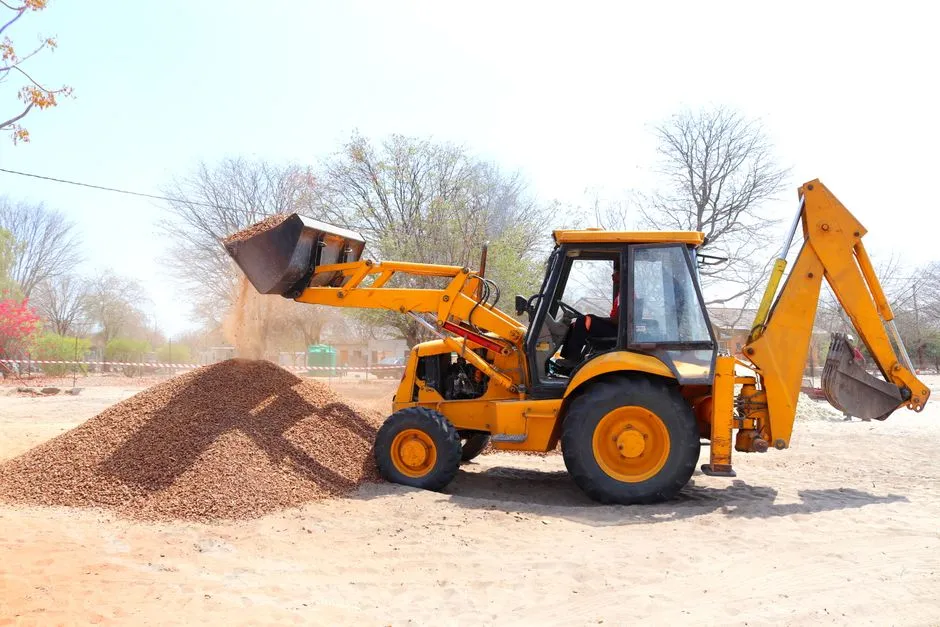
Intelligent loaders: Electricization and intelligent weighing, two key directions for development
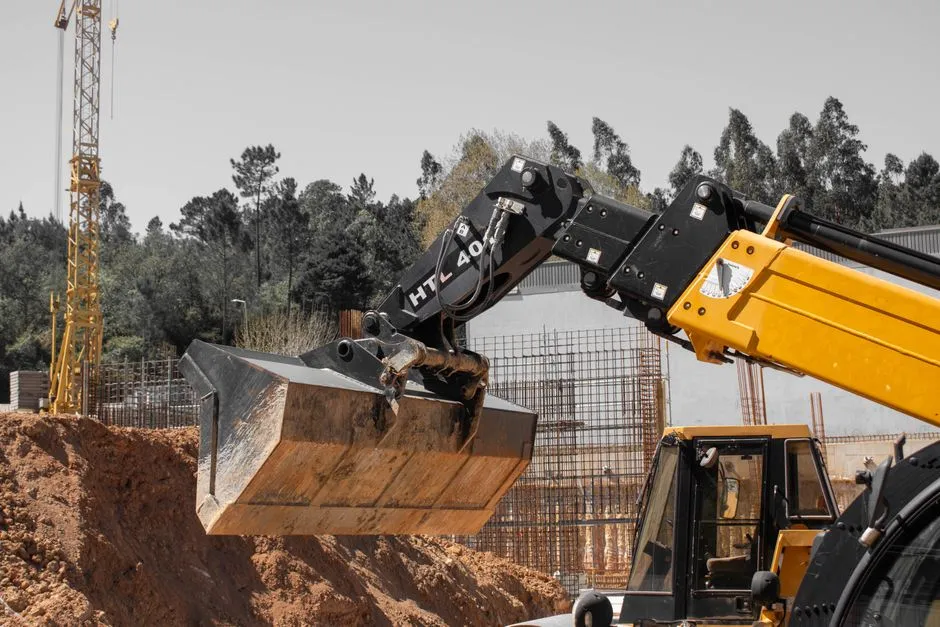
The intelligent upgrading of loaders involves two main aspects:Powerful electrification and real-time processing of operational dataElectric loaders have gained rapid popularity in municipal applications, ports, and enclosed material handling areas due to their zero emissions and low noise levels. Additionally, their electric drive system naturally allows for more precise torque control, thereby providing a solid foundation for intelligent loading operations. The intelligent weighing system uses hydraulic pressure sensors to dynamically calculate the weight of the material being loaded onto the bucket. This enables drivers to accurately monitor the amount of material loaded per load, preventing overloading or underloading situations.
With breakthroughs in battery capacity and fast charging technology, concerns about battery life have been significantly reduced.
Intelligent assisted shoveling: Automatically adjust the shoveling angle and strength according to material resistance to reduce tire slip.
Fleet management system integration: Data is uploaded in real time for individual operations, and the dispatch center optimizes routes and allocation strategies.
Challenges remain: ensuring data security and transforming the skills of operational staff
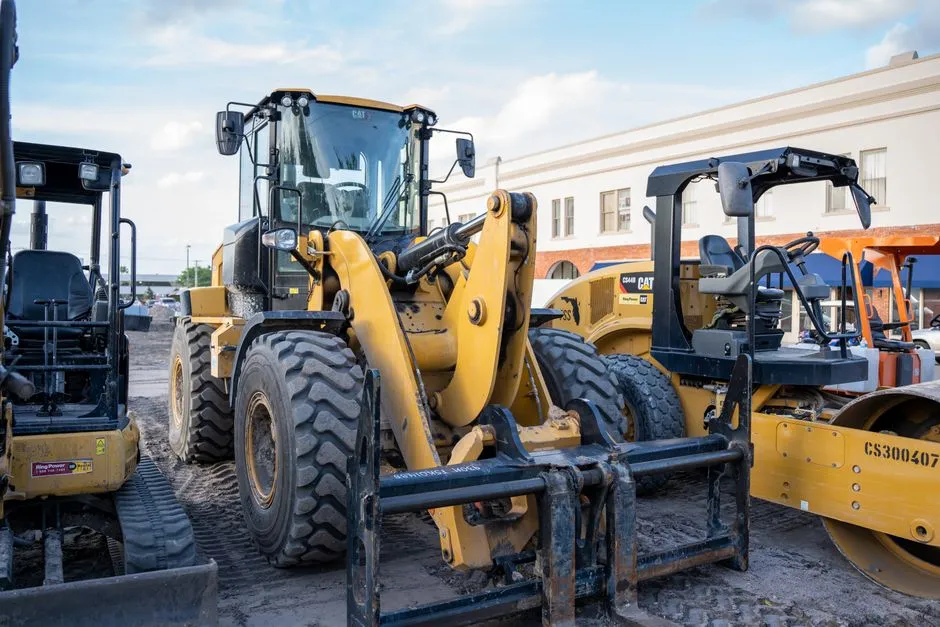
Although there are promising prospects for intelligent upgrades, the engineering equipment industry still faces real challenges. First and foremost,Data silos and network securityThe problems are significant. The communication protocols used by devices from different brands have not been standardized yet, making it difficult to integrate and connect various devices. Additionally, connected devices are at risk of being attacked. Furthermore, traditional operators need to acquire new digital skills; they must shift from relying on experience to analyzing data more effectively. However, the corporate training systems still haven’t kept up with these changes.
However, there is a growing consensus in the industry: intelligence isn’t meant to replace humans. Instead, it aims to free people from repetitive and dangerous tasks, allowing them to focus on monitoring equipment and optimizing processes. By 2026, leading companies will have begun to establish open platforms for intelligent equipment management, thereby facilitating the development of cross-brand data standards.
Conclusion: Intelligent upgrading is the definite direction for the engineering equipment market.
Looking at the global construction equipment market in 2026, we can see that cranes, bulldozers, and loaders are among the most important equipment in this industry.intelligent upgradeIt has moved from concept verification to practical implementation. Whether it’s the precise lifting capabilities of cranes, the automatic leveling functions of bulldozers, or the intelligent weighing capabilities of loaders, their common goal is to improve operational efficiency, reduce safety risks, and lower operating costs. For construction contractors and equipment rental companies, embracing intelligent devices has become crucial for maintaining a competitive edge in this highly competitive market. In the future, with the further integration of artificial intelligence, 5G technology, and digital twin technology, intelligent engineering equipment will no longer be a luxury option, but rather a standard feature of the industry.