New trends in construction machinery exports in 2026: Demand for crane loaders in Southeast Asia continues to rise
Entering 2026, the global construction machinery export market will continue to show a polarization trend, while Southeast Asia has become one of the regions with the most stable growth in demand for cranes, loaders and other equipment thanks to large-scale infrastructure construction and manufacturing transfers. For China construction machinery manufacturers and traders,Demand for crane loaders in Southeast Asia continues to growThe structure of export products and channel layout are being reshaped, which deserves in-depth attention.
Southeast Asia's infrastructure wave directly drives demand for cranes and loaders
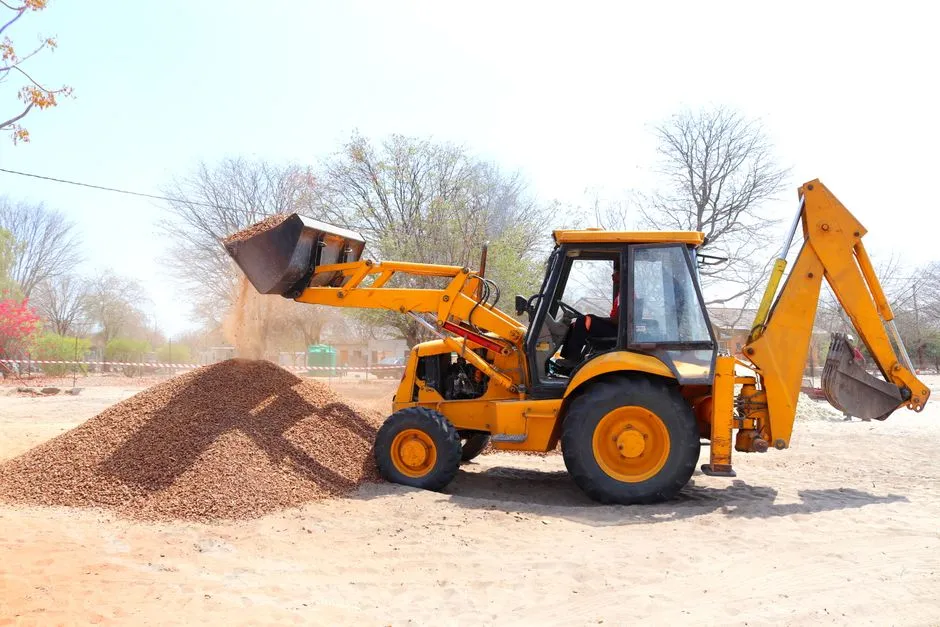
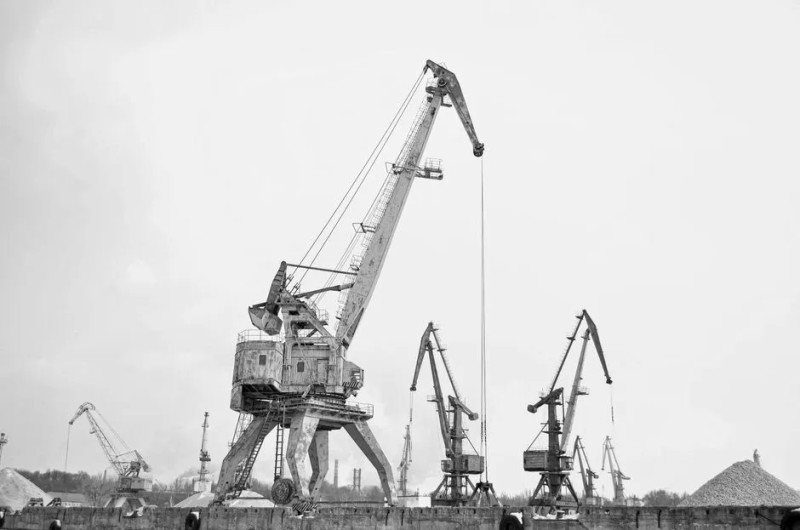
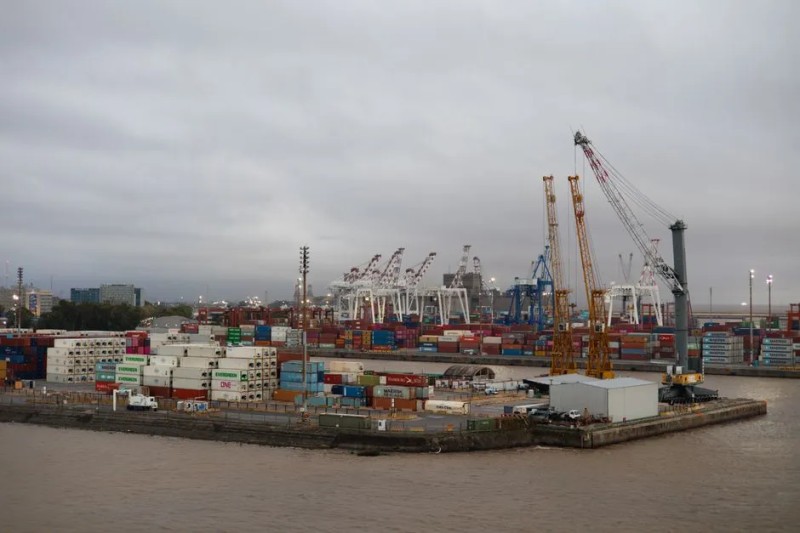
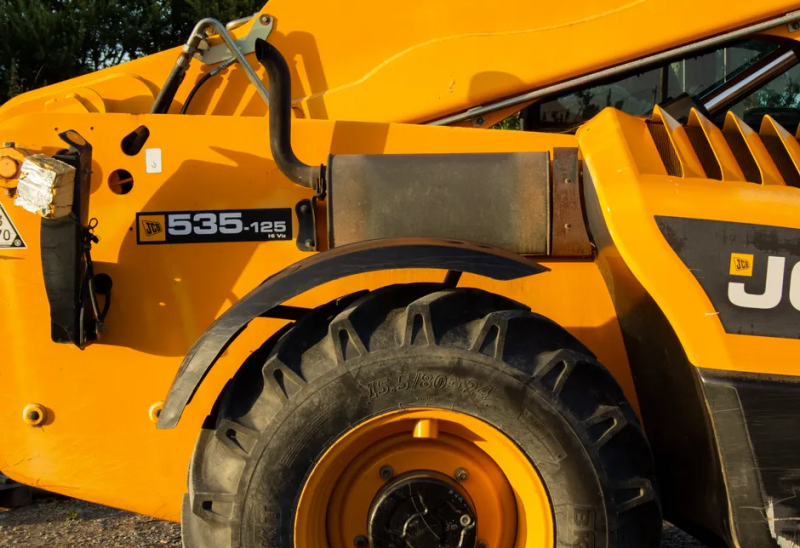
Many countries in Southeast Asia are in an accelerated period of urbanization and industrialization, with port expansion, highways, industrial parks, and energy projects intensively launched. These engineering scenarios have high requirements for lifting capacity and loading and unloading efficiency, which directly drives thecranewithloaderpurchase volume. For example, in terminals and logistics hubs, truck cranes and crawler cranes are responsible for hoisting large components, and wheel loaders are responsible for clearing bulk cargo tanks and sorting yards; in mines and building materials bases, large-tonnage loaders have become the main equipment.
From the perspective of demand structure, Southeast Asian customers pay more attention to the reliability and adaptability of equipment. High temperature, high humidity, and rainy environments require hydraulic systems and electrical components to have better protection levels; road conditions in some areas are limited, and there are also higher requirements for the passability and maintenance convenience of loaders. In recent years, China construction machinery companies have made localized improvements based on these characteristics, makingConstruction machinery exportsModels shipped to Southeast Asia are more suitable for actual working conditions.
In which application scenarios are the crane demand concentrated
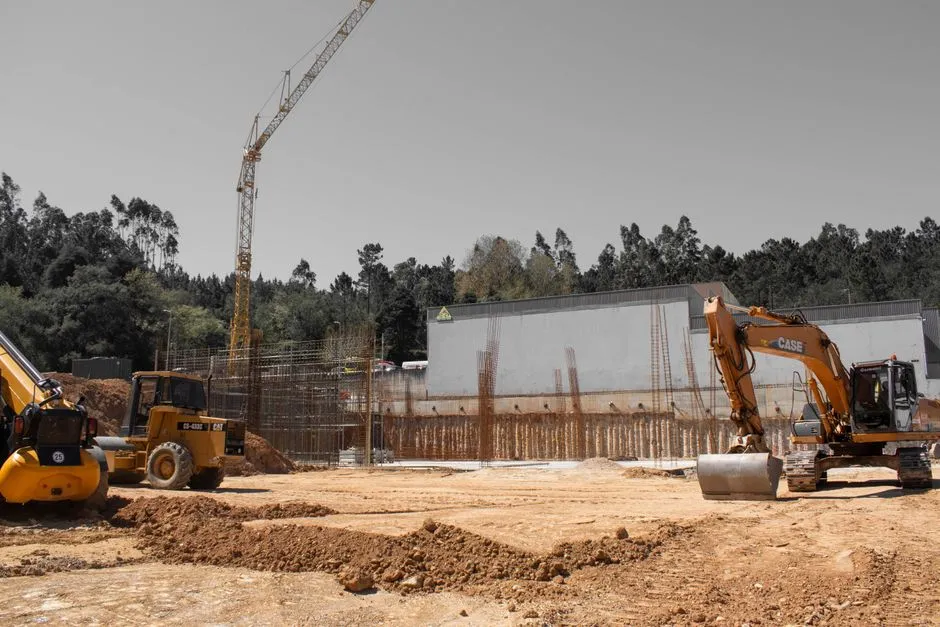
Ports and Logistics Parks:Container hoisting and large-scale equipment transfer require truck cranes and front cranes.
Construction and Real Estate:High-rise building steel structure hoisting and prefabricated parts installation rely on tower cranes and truck cranes.
Energy and Petrochemical Engineering:The hoisting of large equipment such as reactors and storage tanks drives the demand for large-tonnage crawler cranes.
The main driving force for loader demand
Mines and Quarry:Ore shoveling and short-distance transportation require the use of large bucket capacity wheel loaders.
Agriculture and Palm Gardens:Demand for small loaders for material handling in Southeast Asia's specialty agriculture has increased.
Municipal and sanitation:Scenarios such as road maintenance and garbage removal also contributed to stable loader sales.
Comparative advantages of China's construction machinery exporting to Southeast Asia
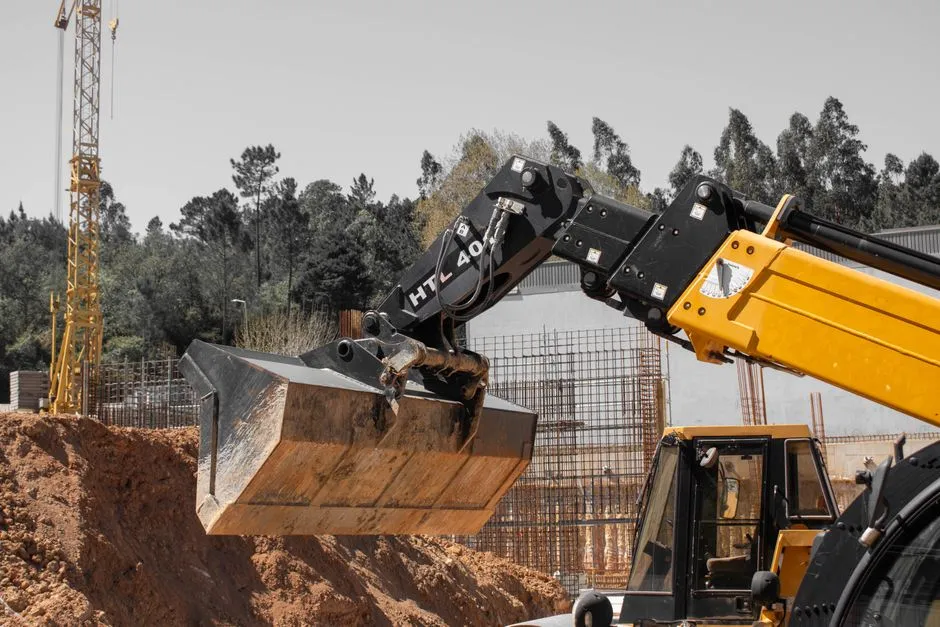
Compared with European, American and Japanese brands, China cranes and loaders have formed significant competitiveness in the following aspects, supporting the continued expansion of export scale.
Cost effective advantages:With the same tonnage and configuration, China's equipment prices are more attractive, and the performance of core components is gradually approaching international levels.
Short lead times:Domestic production capacity is sufficient and shipping distances are close. The order from order to delivery is generally faster than that of cross-continental brands.
The service network is gradually improved:Leading companies have set up accessory centers and service teams in major markets in Southeast Asia, greatly improving their response speed.
Rich product line:From small agricultural loaders to large crawler cranes, it can meet the diverse needs of different customer groups.
It is generally believed in the industry that Southeast Asia's infrastructure cycle and local equipment renewal demand overlap each other, and imports of cranes and loaders are expected to remain high in the next few years.
How to seize the export opportunities of crane loaders in Southeast Asia
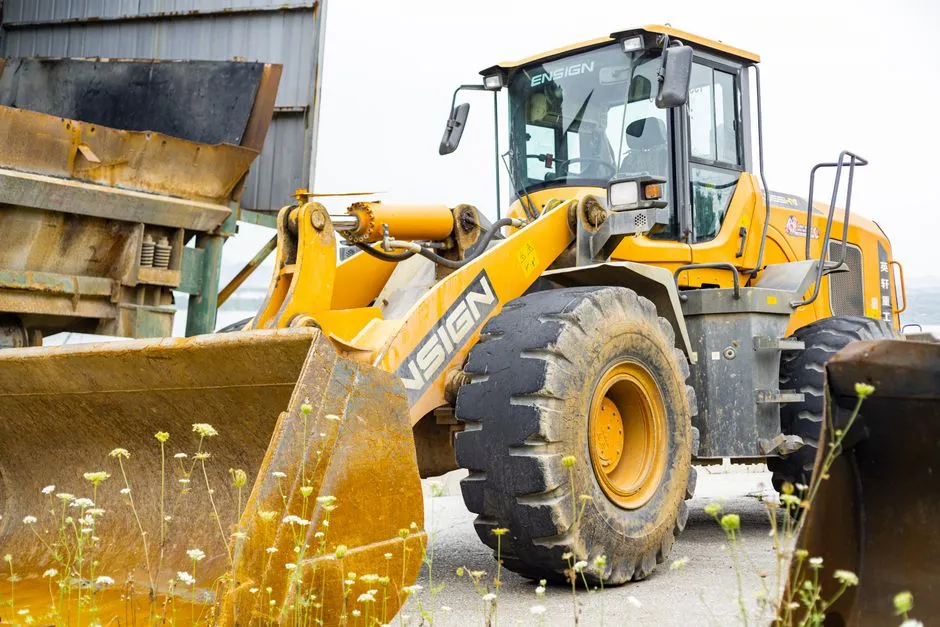
Faced with the continued growth of the Southeast Asian market, exporting companies need to systematically deploy products, channels and services. First, we should conduct in-depth research on the emission standards and certification requirements of target countries and launch models that comply with local regulations. Secondly, establish long-term cooperation with local dealers and leasing companies to use their customer resources and after-sales service capabilities to reduce market entry costs. Third, explorefinancial leasingAnd flexible sales methods such as trade-in to lower customer procurement thresholds.
In addition, digital marketing and online inquiry conversion are also improvingConstruction machinery exportsAn important means of efficiency. Display actual equipment operation videos through local search engine optimization, industry exhibitions and Short Video platforms in Southeast Asia, which can effectively attract local buyers to pay attention to crane and loader products.
Conclusion: Long-term layout under the trend of demand growth
Overall, the demand for cranes and loaders in Southeast Asia is still on a rising channel in 2026, providing stable incremental space for construction machinery exporting companies. Accurately grasping the working conditions and customer preferences of different countries, and continuously optimizing product adaptability, after-sales service and financial support will help China construction machinery brands win a larger share in the Southeast Asian market.Demand for crane loaders in Southeast Asia continues to growIt is not only a short-term trade opportunity, but also an important fulcrum for the internationalization of enterprises.