Cross-border equipment procurement heats up in 2026: Overseas loader brands add weight to domestic supply chain layout
Cross-border equipment procurement is heating up: market signals and drivers
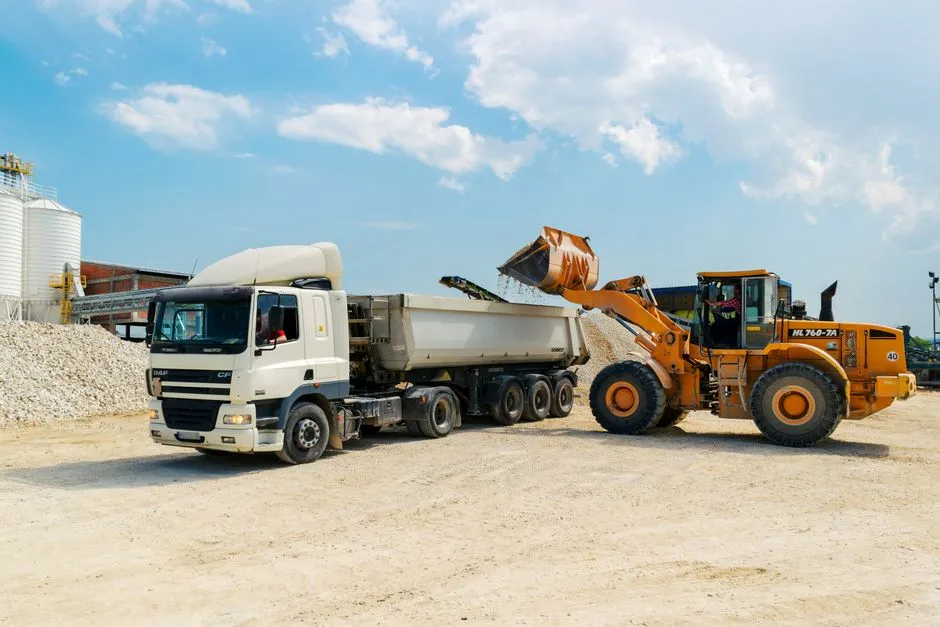
Entering 2026, the global construction machinery market will continue the coexistence of recovery and adjustment in the post-epidemic era. Against the backdrop of stable domestic infrastructure investment and growing demand for mining and port operations,Cross-border equipment procurementThe heat has increased significantly. Especially for core earth-moving machinery represented by loaders, overseas brands are strengthening their presence in China's supply chain through various methods.
There are multiple driving forces behind this trend. On the one hand, domestic customers have increased demand for high-end, intelligent loaders and are willing to pay premiums for higher operating efficiency, lower energy consumption and better after-sales services; on the other hand, overseas brands face fluctuations in global supply chains and Logistics cost pressure, through localized layout, delivery cycles can be effectively shortened and tariffs and transportation costs can be reduced. In addition, China's complete manufacturing supporting system and skilled skilled workers also provide an ideal industrial chain collaboration environment for overseas brands.
Specific paths for overseas loader brands to increase domestic supply chains
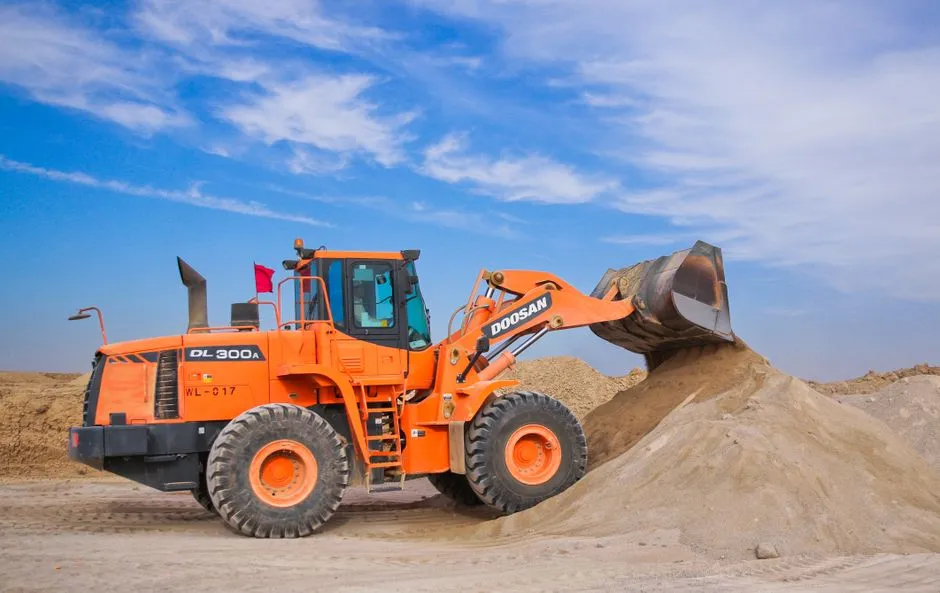
At present, the domestic supply chain layout of overseas loader brands is no longer a simple import of complete machines or assembly of spare parts, but an extension to more in-depth localized manufacturing, core component procurement and joint research and development. Some brands have chosen to establish long-term cooperation with local parts suppliers in China to gradually increase the procurement proportion of key components such as hydraulic parts, transmission systems, and cabs. This cooperation model not only helps overseas brands reduce costs, but also drives the technical standardization and quality control capabilities of domestic supply chain companies.
At the same time, some overseas brands have begun to set up regional production bases in China or transform existing factories to produce medium and large tonnage loaders suitable for the China market and the Asia-Pacific market. Unlike in the past, only domestic sales, these bases also carry the function of exporting to countries and regions along the Belt and Road Initiative. This "in China, global" model allows the domestic supply chain to be deeply embedded in the global production network of international brands.
Localized production:Reduce dependence on imports of complete machines and be close to the needs of end users.
Local procurement of parts:Sign long-term framework agreements with domestic hydraulic, electronic control and structural parts companies.
Joint R & D and testing:Carry out adaptive development for complex working conditions in China and share test data.
Service and spare parts network:Relying on the domestic logistics system to establish regional spare parts centers to improve response speed.
It is worth noting that digital supply chain collaboration is becoming a new direction for overseas brand layout. By establishing a supplier management cloud platform, overseas brands can track the production progress, quality data and inventory levels of domestic parts and components companies in real time, achieving transparency in the entire process from order to delivery. This in-depth data binding further strengthens the stickiness between overseas brands and domestic supply chains.
Dual impact on the domestic loader industry
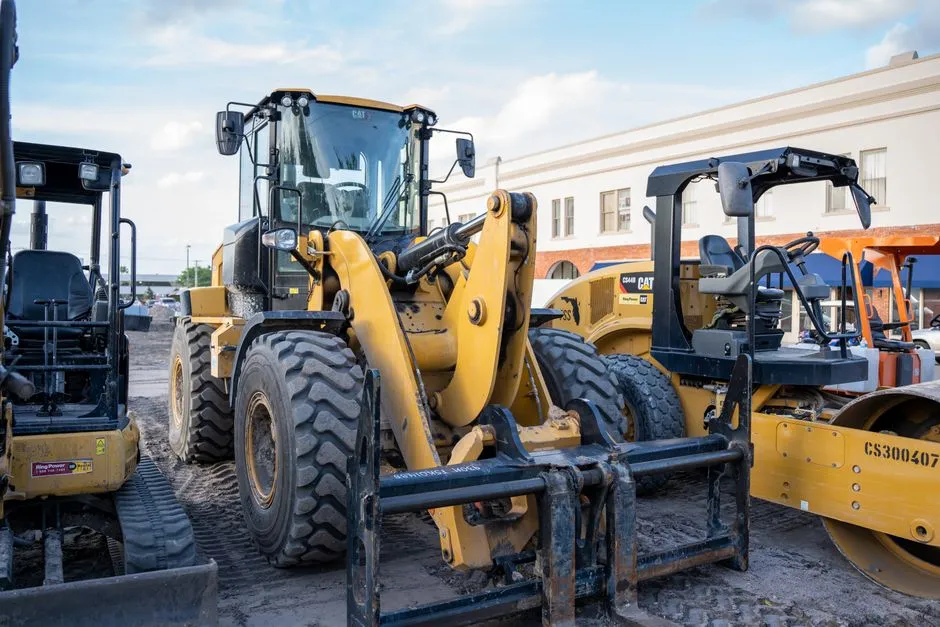
Strengthening the layout of domestic supply chains by overseas brands is both pressure and motivation for local loader manufacturers. From a pressure perspective, after overseas brands lower price thresholds through localization, competition with domestic brands in the mid-to-high-end market will be more direct. Especially in scenarios such as large mines and ports that require extremely high equipment reliability, the brand premiums and mature service systems of overseas brands may attract some customers to return.
But on the positive side, this trend has also promoted the technological upgrading of domestic parts suppliers. In order to enter the supply chain system of overseas brands, local companies must meet stricter material standards, process specifications and quality consistency requirements, which forces them to improve their lean manufacturing capabilities. At the same time, talent flow and technology spillover effects also help domestic complete machine manufacturers absorb advanced management experience and shorten the gap with multinational giants.
Industry observers pointed out that the localization of supply chains for overseas loader brands is not a simple cost game, but a strategic choice based on long-term market commitment. Suppliers that can meet both international standards and localized response speed will gain a larger share in the new round of cooperation.
Future trends and countermeasures
Looking forward to the second half of 2026 and beyond,Cross-border equipment procurementIt is expected to maintain moderate growth, and the participation of overseas loader brands in the domestic supply chain will further deepen. Digitalization and electrification will become new competition focuses: overseas brands may put some components of hybrid or pure electric loaders in domestic production to take advantage of China's industrial chain advantages in the fields of batteries and motors.
For domestic supply chain companies, they should take the initiative to benchmark international quality management systems and improve modular design and on-time delivery capabilities; for local complete machine brands, they need to accelerate the research and development of high-end products and use local data and service networks to form differentiation barriers. Only by improving our own strength through open cooperation can we achieveOverseas loader brands add weight to domestic supply chain layoutOccupy a favorable position in the wave.
In short, the increase in cross-border equipment procurement in 2026 reflects the in-depth adjustment of the global construction machinery industry pattern. The integration of overseas brands and domestic supply chains will reshape the competitive landscape of the loader market and provide a new window for manufacturing in China to climb upstream of the value chain.