Accelerate the popularization of new energy equipment: What technological changes will traditional cranes and bulldozers usher in 2026
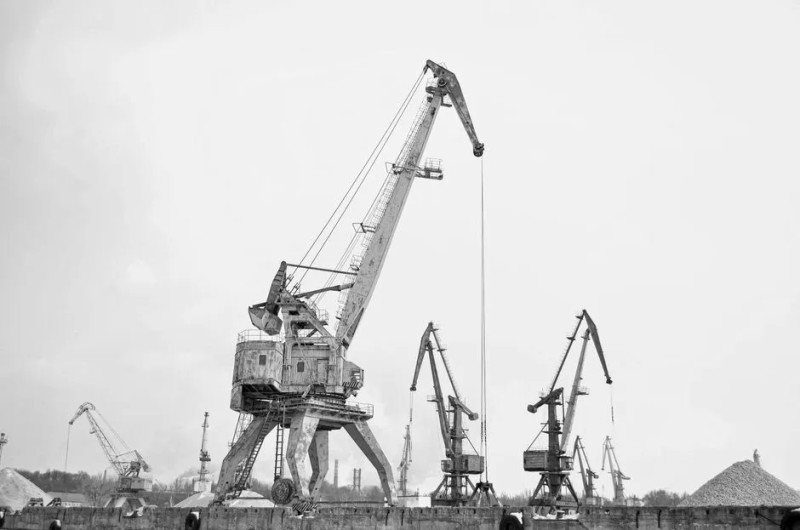
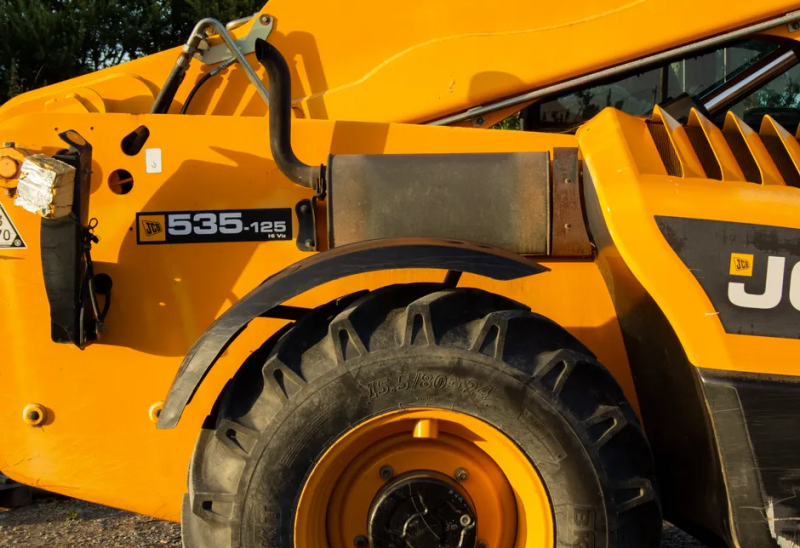
Entering 2026, the penetration rate of new energy equipment in the field of construction machinery will accelerate significantly. From urban construction sites to mines and ports, traditional diesel-driven cranes and bulldozers are undergoing a profound technological change. Cranes and bulldozers have long been known for their high energy consumption and high emissions. However, with the development of battery technology, electric drive systems and intelligent control, these "gas guzzlers" are gradually transforming into clean, efficient and intelligent new energy equipment. This paper will analyze the key technological changes that traditional cranes and bulldozers are about to usher in the context of the accelerated popularization of new energy equipment from four dimensions: power system, technical route, intelligent operation and structural design.
Electric drives: Powertrain upgrades from diesel to batteries
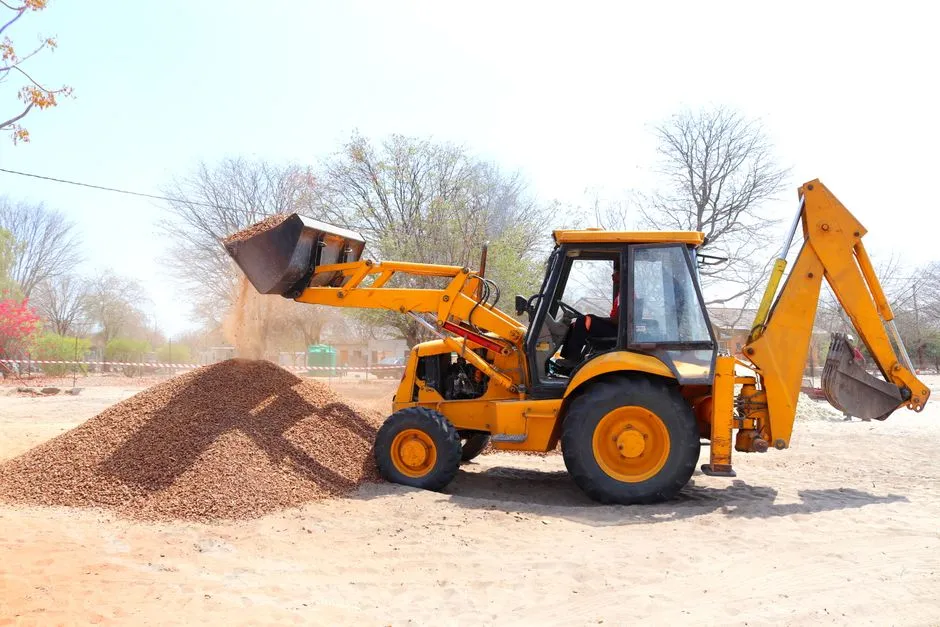
Amid the accelerated popularization of new energy equipment,electrificationIt is the most direct direction of technological change for traditional cranes and bulldozers. Compared with traditional diesel engines, electric motors have the advantages of fast response, stable torque output, and zero emissions. For equipment such as bulldozers that require continuous high torque output, electric drives can provide more accurate control of the pushing force, reduce track slip, and improve work efficiency. Cranes use electric drive systems to achieve smoother lifting, slewing and luffing movements. Especially in fine lifting scenarios, the accuracy of motor control is much higher than that of hydraulic systems.
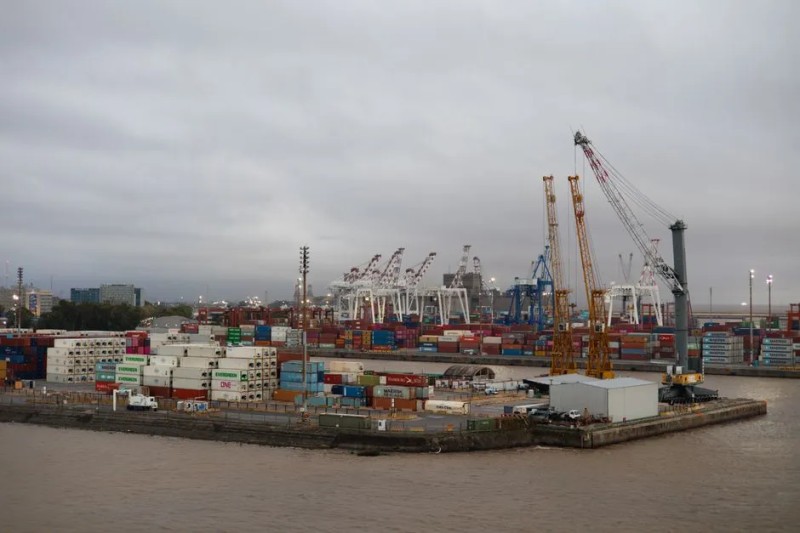
Advances in battery technology are the key to landing electric cranes and electric bulldozers. In recent years, the energy density of lithium iron phosphate batteries and solid-state batteries has been continuously improved, charging speeds have been accelerated, and cycle life has been extended, allowing the battery life of large construction machinery to meet the operating needs of one shift or even longer. At the same time, the power replacement mode is also applied in some fixed operation scenarios. For example, port cranes can achieve continuous operation by quickly replacing battery packs to avoid long charging waits.
Hybrid power and hydrogen energy: parallel multiple technology routes
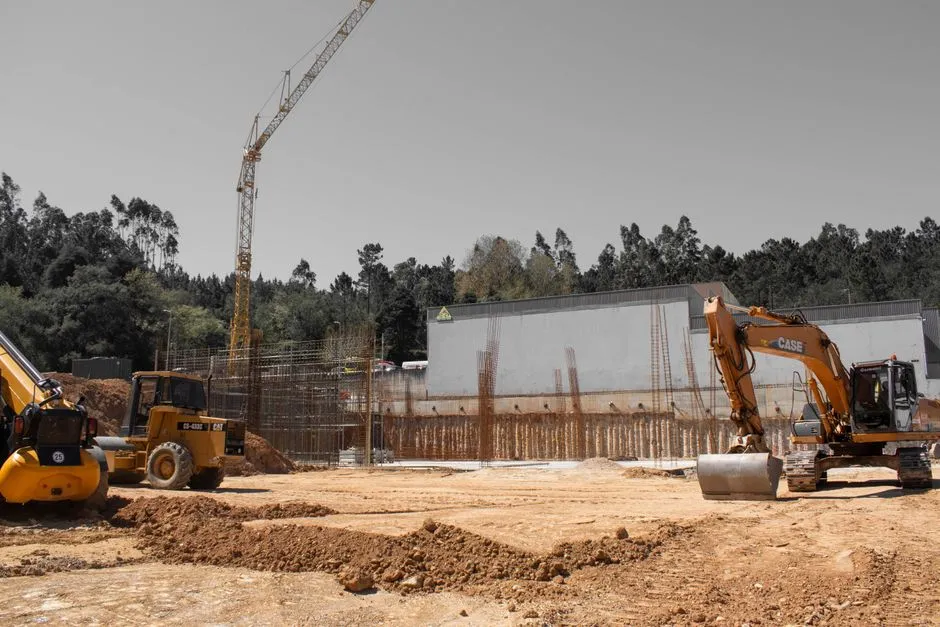
Considering the insufficient power grid coverage and imperfect charging facilities in some construction scenarios, a pure electric solution is not suitable for all cranes and bulldozers. Therefore,hybridBecome an important technology choice during the transition period. Hybrid cranes and bulldozers retain the diesel engine and add motor and battery systems to achieve efficient engine interval operation and brake energy recovery, which can usually reduce fuel consumption and emissions by more than 20%. For example, in earth-moving operations with frequent starts and stops, the motor can undertake instantaneous high power output, while the diesel engine is responsible for continuous cruising, thereby significantly improving fuel economy.
Another technology route that has attracted much attention ishydrogen fuel cell。Hydrogen energy engineering machinery has the characteristics of short filling time, long battery life, and zero carbon emissions. It is suitable for mining, large-scale infrastructure and other scenarios that are far from the power grid and have long continuous operation times. Although hydrogen energy cranes and bulldozers are still in the demonstration and verification stage, with the gradual improvement of hydrogen energy infrastructure and the decline of fuel cell costs, hydrogen energy is expected to become an important supplement to new energy equipment.
Intelligence and digitalization: The operating revolution of cranes and bulldozers
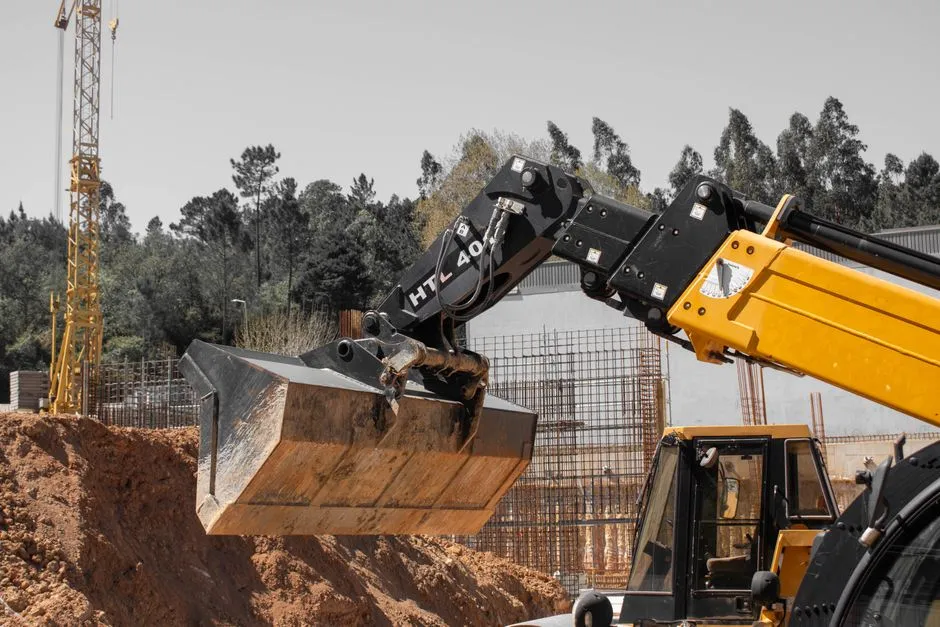
New energy equipment not only changes the source of power, but also promotes the power of cranes and bulldozers.Intelligence and digitalizationUpgrade. Electric drive systems are naturally easier to integrate with sensors, controllers and communication modules, providing a foundation for autonomous driving, remote control and intelligent dispatch. For example, new electric bulldozers can be equipped with GPS positioning, lidar and vision sensors to achieve automatic leveling, path planning and obstacle identification, significantly reducing reliance on operator experience. Cranes can be equipped with intelligent anti-sway systems, automatic alignment systems and load monitoring systems to improve hoisting safety and efficiency.
The application of remote control and driverless technology in new energy cranes and bulldozers is also accelerating. In hazardous environments such as demolition sites, contaminated areas or extreme weather, operators can control machine operations in real time through the 5G network in a safe location away from the equipment. In addition, operating data generated by new energy equipment can be uploaded to the cloud platform to help construction companies carry out equipment health management, energy consumption analysis and predictive maintenance, further reducing operating costs.
In order to more intuitively understand these changes, the following are typical functions of the intelligent upgrade of new energy cranes and bulldozers:
Automatic leveling and slope control: Use sensors to adjust the attitude of the blade in real time to ensure flatness.
Intelligent hoisting assistance: Automatically calculate boom angle and load distribution to prevent overturning.
remote fault diagnosis: Early warning of critical component failures through cloud data analysis.
Optimizing energy consumption management: Dynamically allocate power based on working conditions to extend battery life.
Lightweight and structural optimization: Design adjustments to respond to new energy characteristics
New energy cranes and bulldozers do not simply replace the engine with a motor and a battery, but need to carry out the structural changes of the entire machine.Lightweight and optimized design。The weight distribution of the battery pack and electric drive system is different from that of traditional diesel engines, which will affect the center of gravity and stability of the entire machine. Therefore, manufacturers need to redesign the layout of the chassis, counterweight and battery compartment to ensure the stability of the crane during lifting operations and the traction of the bulldozer when pushing earth. Some new models use high-strength steel and composite materials to reduce structural weight, while optimizing battery placement and reducing the height of the vehicle to adapt to tunnel, indoor and other confined space operations.
In addition, the thermal management system of new energy equipment also needs to be redesigned. The motor and battery generate heat when working, but unlike the heat dissipation requirements of traditional diesel engines, a more refined temperature control strategy is needed to ensure that the battery works within the optimal temperature range and avoid overheating or low-temperature performance degradation. These structural and technical adjustments are links that cannot be ignored in the transformation of traditional cranes and bulldozers to new energy sources.
Overall, the trend of accelerating the popularization of new energy equipment in 2026 is reshaping traditional cranes and bulldozers from multiple aspects such as power systems, technical routes, intelligent operations and structural design. Electrification reduces emissions and noise, hybrid power and hydrogen energy provide flexible transition solutions, and intelligence and digitalization completely change the operation and maintenance mode of equipment. For the construction machinery industry, embracing new energy is not only a response to environmental protection policies, but also an inevitable choice to improve operating efficiency, reduce full life cycle costs, and enhance competitiveness. In the future, with the further maturity of batteries, hydrogen energy and intelligent control technologies, traditional cranes and bulldozers will accelerate the evolution of zero-carbon, intelligent new energy equipment.